

Your cart is empty
You may check out all the available products and buy some in the shop
Return to shopA workshop vacuum needs to be selected around the material it will collect. A contractor's unit also has to suit movement between work areas, while a warehouse team may need a practical emptying arrangement beside its assigned cleaning zone. Those details have more value in an enquiry than a general request for maximum suction.
Dubai Cleaning Equipment offers wet and dry vacuum cleaners for Sharjah businesses. We help workshop supervisors, warehouse operators and cleaning contractors compare machine specifications with collection tasks and site access. Tell us what needs picking up, how often it occurs and where the equipment will be used before deciding which model belongs on your shortlist.
The interruption may come from tools that do not reach the required area, a collection setup unsuited to the material or an awkward route to the emptying point. Record the actual cause instead of treating every interruption as insufficient motor power. Different problems require different equipment or changes to the working method.
Describe how the current machine is prepared, used and put away. If several users report different results, compare their tasks and the configurations they use. A clear account of the collection work can reveal whether you need another model, appropriate accessories or a better allocation of equipment.
Where the brief concerns broad dry floor-debris collection, consider whether a walk-behind sweeper is relevant to that task. Where wet scrubbing is the main process, compare walk-behind scrubber dryers. A vacuum can serve a defined pickup role without being expected to replace every cleaning method.
Sharjah's industrial areas include a range of business premises. For your workshop, identify the actual material produced by the task and the location where collection is required. State any specified filtration or equipment rating. A general description such as workshop dust is not enough to establish suitability for a particular vacuum.
A warehouse may need a vacuum for selected work around service areas, storage or suitable spill collection. Explain those jobs separately from whole-floor maintenance. Include the route to power and disposal points, the expected amount collected and who is responsible for preparing the unit for the next task.
If a contract team transports a vacuum regularly, explain the access route, vehicle arrangements where relevant and storage at each location. Review how accessories will be secured and kept available. A machine chosen for a fixed workshop task may have different practical requirements from one repeatedly moved through a commercial property.
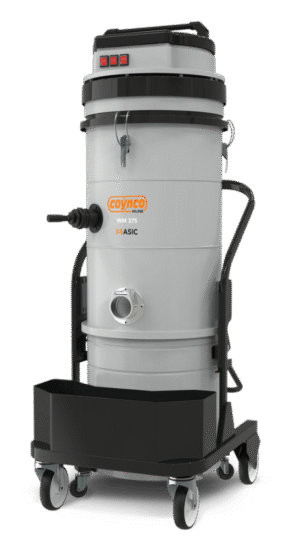
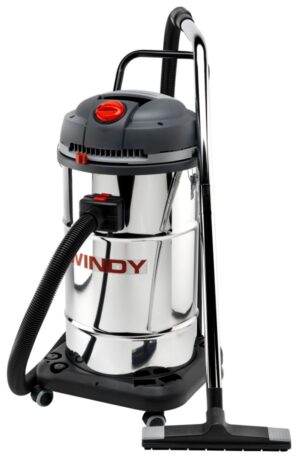
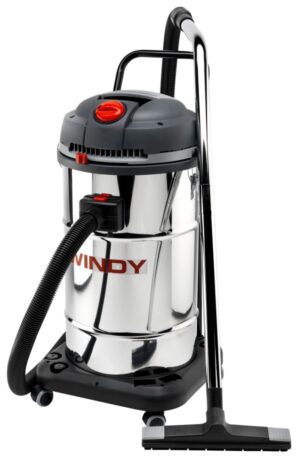
The Windy 365 lists 3600 W power and 195 L/s airflow. Compare it against the documented requirement for your material and the tools needed to collect it. These figures provide a specification reference, not confirmation that every industrial substance or task suits this model.
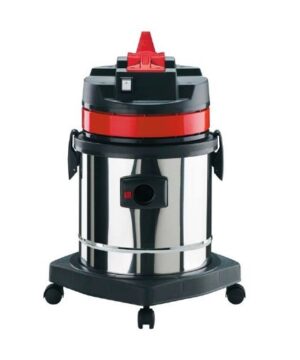
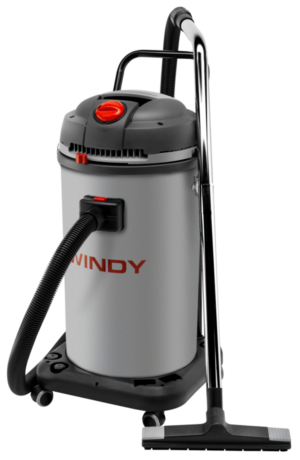
The Windy 165 PF lists a 65 L total tank volume. Discuss how that capacity relates to the workload and the emptying method. Ask for the complete dimensions and the supplied collection tools before assessing whether the unit is practical for your route.
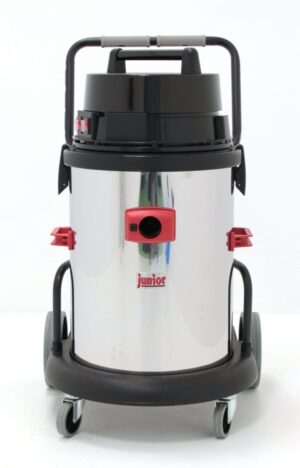
You can also review the Junior 429, which lists a 62 L tank. Place its configuration beside the other quotations and compare each against the same task description. Confirm relevant details through the product listings and our technical data sheets rather than relying on broad product labels.
Identify the source and nature of the material, then provide any requirements your workplace has already specified for collecting it. Some collection tasks need specialised equipment or filtration. Ask our team to review suitability before ordering, especially where the material information goes beyond routine commercial cleaning.
For a suitable liquid-collection task, describe the liquid and the surface. Ask how the selected model should be configured according to its instructions. For dry collection, discuss the appropriate filter and tools. The same machine name does not remove the need to follow the documented setup for the work being performed.
Include expected task duration and the conditions around the operator. A fixed work area may allow different arrangements from an occupied corridor. Record power access and where the cable and hose need to run. These details help assess the complete cleaning operation, not simply the amount the tank can contain.
Explain the normal job rather than selecting an unusually easy demonstration area. Identify the material, surface and tool access you want to assess. Ask whether a demonstration can be arranged for the proposed task and confirm the scope with our team beforehand.
Observe preparation and emptying as well as pickup. A unit might perform the collection task yet require arrangements that are inconvenient at your premises. Consider how the operator changes tools, moves the machine and returns it to storage. Those practical steps belong in the assessment.
Keep any conclusions linked to the tested conditions. If another department collects a different material, that use still needs its own suitability review. This helps procurement avoid expanding a recommendation beyond the task that was originally described and assessed.
Ask for the machine, included accessories and the appropriate collection configuration to be itemised. Request compatible replacement-filter and wear-item information. If quotations specify different packages, have each supplier explain how the supplied equipment meets the same requirement before comparing prices.
Consider how consumables will be identified and ordered after delivery. A workshop supervisor should have the model details and the correct replacement references available. Discuss the daily care procedure and who will raise a service enquiry if performance changes.
For contractors, include transport and storage arrangements in the equipment plan. Ask whether the unit's intended role is fixed or shared between assignments. A purchase that fits one known task can be assessed clearly; equipment intended for an unspecified range of jobs needs those jobs defined before suitability is assumed.
Provide the exact receiving entrance and a contact who can check the package. Explain access restrictions or appointment requirements for the premises. Confirm the delivery timing and charges, along with applicable warranty and support terms, during the quotation process.
At handover, check that the required tools and instructions are available. Assign a storage location and responsibility for daily care. Include any familiarisation request before purchase so the team understands the documented configuration for its assigned collection work.
Airflow is part of the specification, but the equipment must also suit the material, collection setup and access. Explain the complete job and compare tools, filtration requirements and practical emptying arrangements before selecting a model.
No. Identify the material and any required rating so suitability can be assessed. Some tasks need specialised equipment. Do not interpret an industrial product description as approval for every dust or substance found in a workshop.
Collection and scrubbing are different processes. Describe which problem you need to solve and the area involved. Our team can discuss whether a vacuum, scrubber dryer, sweeper or combination of equipment is appropriate for the defined work.
Provide the material information, pickup location, power access and expected workload. Add the tools needed to reach the task and any workplace equipment requirement. Photos can help explain the route and access restrictions.
Send a clear description of the work and the interruptions you want to address. Include material information and any existing equipment specification. We can discuss a wet and dry vacuum package around that requirement rather than a general assumption about workshop cleaning.
Contact Dubai Cleaning Equipment on +971 4 2380192 or dcecare@cleantech-gulf.com for a current quotation and confirmed supply arrangements.
You may check out all the available products and buy some in the shop
Return to shop