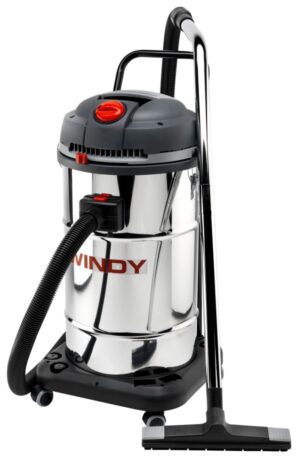
Wet and Dry Vacuum Cleaners in Abu Dhabi
In a managed facility, the vacuum may be used by more than one department and for more than one type of task. A maintenance team might need local pickup after work, while the cleaning team needs equipment for its established routine. The purchase should identify which jobs the machine will serve and how responsibility passes between users.
Dubai Cleaning Equipment supplies wet and dry vacuums for Abu Dhabi businesses. We help facility managers, maintenance supervisors and procurement teams compare documented specifications with their collection tasks. Explain the surfaces, materials and operating arrangements so the machine recommendation reflects your site's procedures and the way the equipment will be deployed.
What Makes Shared Vacuum Equipment Difficult to Manage?
Shared equipment can arrive at the next task without the required tool, with unclear instructions about its previous use or with a problem that nobody has reported. Buying another unit may help capacity, but it will not establish responsibility. Start by describing who uses the vacuum and how it is prepared and returned.
Separate routine dry pickup from suitable liquid-collection work and maintenance tasks. For each, identify the material and any requirement to keep tools or equipment assigned to a particular area. A clear task list helps your purchasing team understand whether one shared package or separately allocated equipment is appropriate.
Where the main requirement is regular scrubbing of a broad hard floor, a vacuum may serve only local collection work. Review ride-on scrubber dryers for that wider cleaning process. Matching each machine to its role is more useful than expecting a single vacuum to deliver every type of floor maintenance.
Which Abu Dhabi Facilities Need a Task-Based Vacuum Brief?
Workshops and support areas in Mussafah
Mussafah is part of Abu Dhabi's industrial and logistics setting. If your site includes a workshop or maintenance area, describe the exact materials collected there. The equipment must be assessed for those tasks rather than selected because it is advertised as heavy duty. State any specialised filtration or collection requirement during the enquiry.
Commercial and institutional properties
For a building with several service areas, explain where the equipment will be stored and how staff reach each assigned location. Include occupied hours and the procedures used to prepare an area for cleaning. If access crosses departments, identify who coordinates the task so the operator can use the equipment within the planned routine.
Contractors working to client procedures
A contractor should obtain the client's equipment and material-handling requirements before ordering. Explain which tasks are included in the contract and which belong to maintenance staff. This helps prevent the vacuum from being used for an unassessed task simply because it is available nearby.
Which Models Can Your Procurement Team Compare?
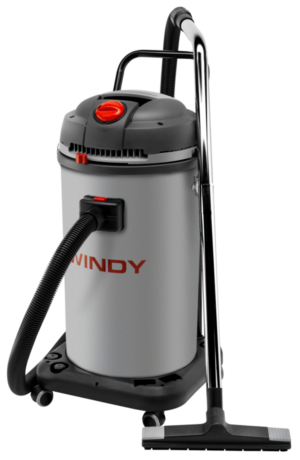
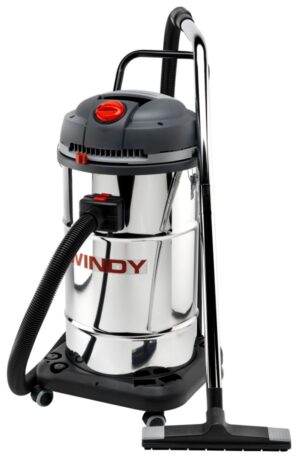
The Windy 165 PF lists a 65 L total tank volume and 65 L/s airflow. Use those figures as part of a comparison that also considers access and emptying. Ask for the documented collection setup required for the material you have described.
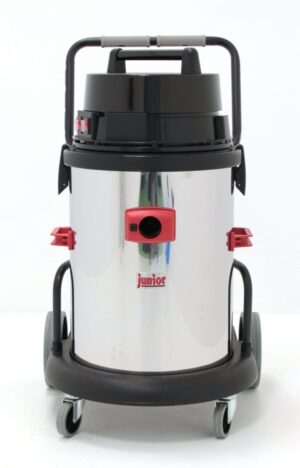
The Junior 429 lists 2400 W power and a 62 L tank. Compare its supplied accessories and instructions with your assigned tasks. A motor rating is only one item in the specification and should not replace checking whether the complete equipment package is appropriate.
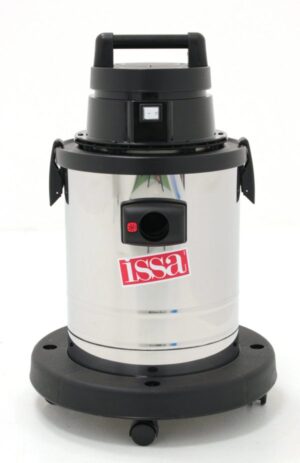
For a smaller capacity reference, consider the ISSA 515 with its listed 32 L tank. Assess how it would move between the work areas and where operators would empty it. Different task allocations may lead to different suitable capacities within the same property.
How Do You Write a Clear Material and Access Requirement?
List the material collected for each job, not only the building type. Describe whether it is dry or wet, where it comes from and whether your site's procedures specify equipment ratings. If the task is unusual, provide the relevant material information so suitability can be reviewed before a general wet and dry vacuum is proposed.
Then document the physical route. Note power access, hose reach and where cable movement needs coordinating with others. Identify stairs, doors and any equipment transport between buildings. A floor plan or a few photographs can explain these restrictions more clearly than the site's total area.
Keep the machine role specific. For carpet or upholstery washing, compare carpet extraction machines. For a dedicated routine dry-cleaning task, discuss the types within our commercial vacuums category. This prevents different processes being combined into an ambiguous purchasing request.
What Should You Compare Beyond the Purchase Price?
Ask which tools and filters are included for the intended work and which replacement items your team will need. Request the model specification and package contents with the quotation. This lets procurement compare like-for-like requirements and gives supervisors a record of the approved configuration.
Consider how the vacuum will be allocated. One machine travelling between departments may have a different workload from units permanently assigned to service areas. Explain the proposed use and whether your procedures require separate tools. That context can change the recommendation even when the overall task volume appears similar.
Review support arrangements and the applicable warranty terms. Identify who will retain the manual, record the asset details and order replacement items. The equipment should enter an existing maintenance process rather than depend on informal knowledge held by one member of staff.
How Should Shared Equipment Be Handed Over?
Agree what users need to check before starting and what they need to complete before returning the machine, following its instructions. Keep accessories identifiable and assign an agreed storage location. If configuration changes are needed between tasks, make the procedure accessible to every authorised user.
For delivery, provide the Abu Dhabi address, receiving contact and any entry requirements. Confirm the supplied package against the order and include familiarisation requests beforehand. Ask for delivery timing and charges to be stated with the commercial details of the purchase.
Frequently Asked Questions
Can one wet and dry vacuum serve cleaning and maintenance teams?
It depends on their materials, procedures and equipment requirements. Describe the tasks separately and ask whether shared use is appropriate. Agree responsibility for configuration, emptying and reporting problems so one team's task does not leave the next user with an unclear setup.
Does a high motor rating confirm the right equipment choice?
No. Compare the complete specification, tools, collection arrangement and suitability for your material. Tank size, access and operating procedures also matter. Give our team the task information needed to assess those requirements together.
Can I use a general wet and dry vacuum for any workshop material?
Describe the material and any specified equipment rating before purchase. Some tasks require a specialised configuration or another type of machine. The category name should not be treated as confirmation that every substance is suitable for collection.
How can procurement avoid ordering the wrong accessories?
Retain the approved model and package details, list the tools required for each assigned task and request compatible replacements by reference to that equipment. Ask our team to clarify uncertain items rather than substituting from a general accessory description.
Discuss Your Abu Dhabi Vacuum Requirement
Send the task list, materials collected and the areas where the equipment will be used. Explain whether departments will share it and which procedures affect that use. Dubai Cleaning Equipment can help your team compare a vacuum package against a clearly defined role.
Call +971 4 2380192 or email dcecare@cleantech-gulf.com for a current quotation, equipment details and confirmed delivery arrangements for your Abu Dhabi site.