Walk Behind Scrubber Dryers in Fujairah
A floor can be cleaned thoroughly and then become dirty again as soon as goods movement resumes. For a commercial or logistics premises, the buying decision should therefore consider when dirt arrives, which sections are accessible and how the cleaned area returns to use. Equipment capacity alone cannot resolve a route that remains occupied throughout the proposed shift.
Dubai Cleaning Equipment offers walk behind scrubber dryers for Fujairah buyers assessing suitable hard floor washing. Describe the accessible floor, the source of the soil and the periods when work can take place. A useful machine proposal should fit that operating cycle, with practical arrangements for preparation, recovery and routine care.
What should be understood about the soiling cycle?
Identify where dirt enters the route and how it moves through the premises. An entrance, goods receiving area and internal corridor may have different cleaning needs even when their flooring looks similar. Record what is present and whether suitable loose material needs separate removal before washing. Do not assume every substance can be collected by the scrubber.
Consider when each section becomes available. Washing immediately before another delivery may provide a different result from cleaning after the final movement through that area. Coordinate the schedule with the responsible operational team. A machine purchase works best when the route and timing have been defined together.
How can Fujairah businesses plan the working areas?
A warehouse or distribution premises can divide the accessible floor into agreed sections. Map where pallets or equipment restrict movement and where a cleaner can wait without obstructing operations. The route through stored goods may change, so assess the typical working layout rather than an empty building plan.
A commercial property with shared entrances can examine the path from the outside doorway to internal hard floors. Identify different finishes and any transitions that require another method. The machine should be selected for the confirmed route, while entrance management and ordinary dry housekeeping remain parts of the wider cleaning plan.
For a hotel or accommodation service area, coordinate cleaning with internal supply movements. The team may need to complete one corridor while another remains active. Describe those stages when comparing models, including the route to a suitable filling and emptying point. A short washable corridor can still take time if every service stop requires a long transfer.
Which models can you assess with DCE?
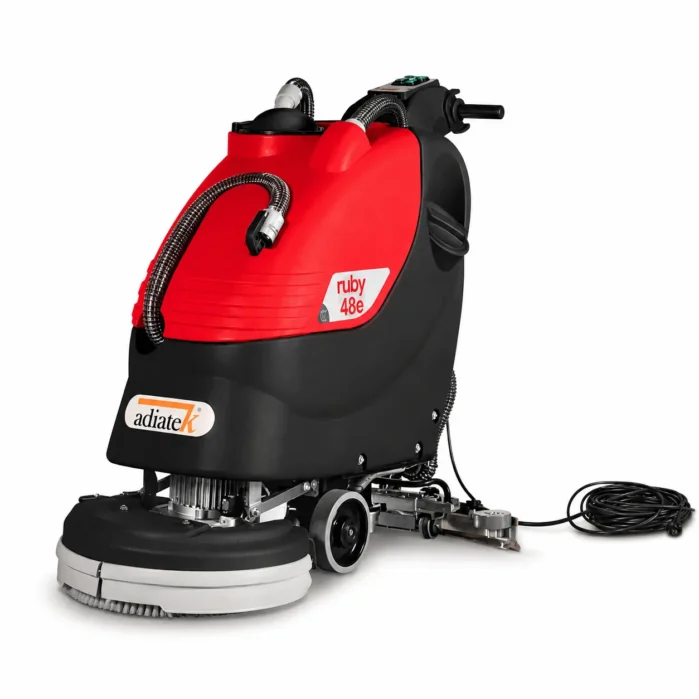
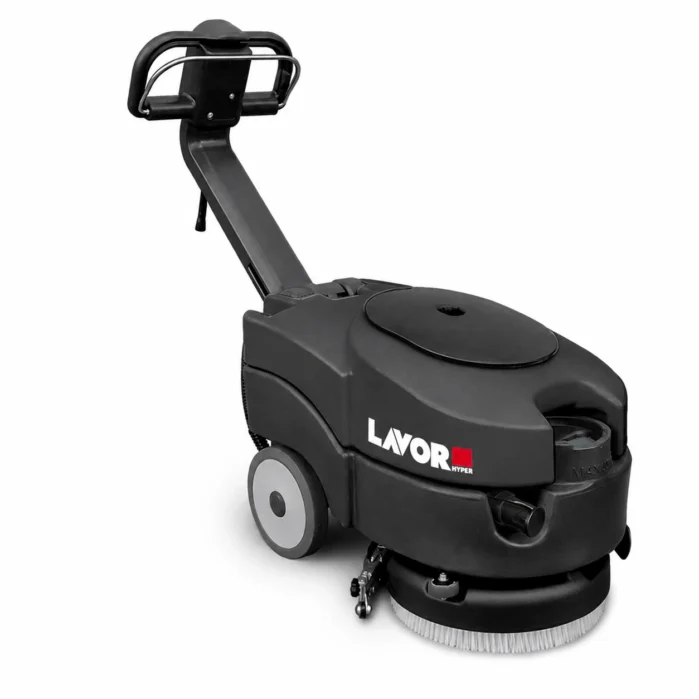
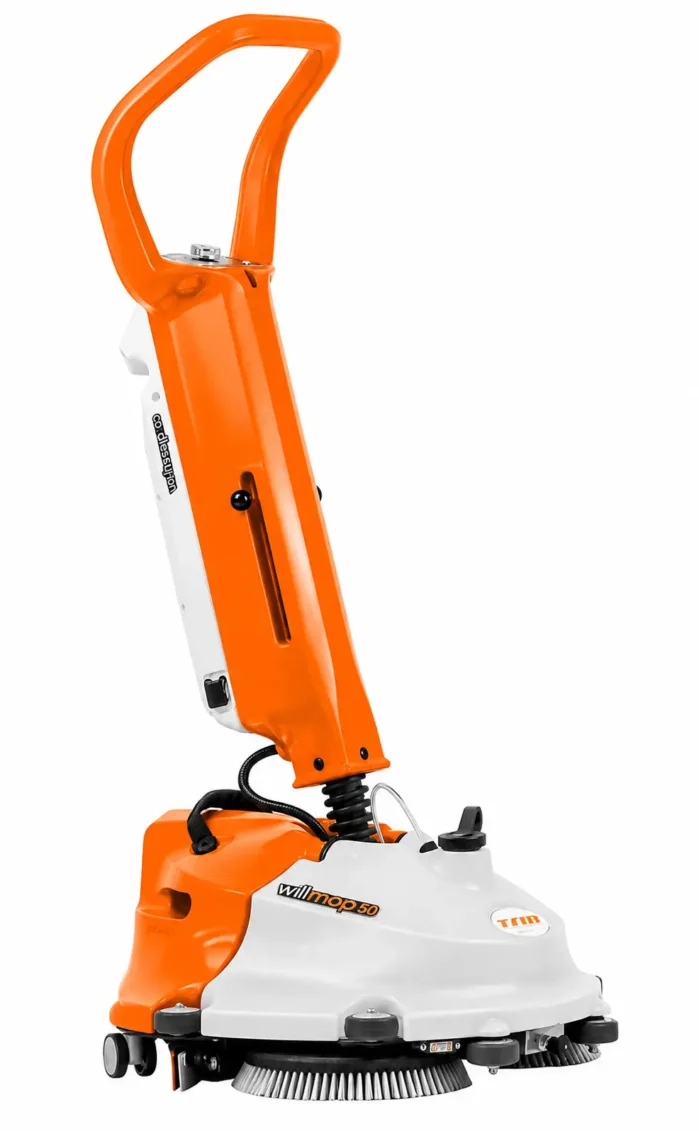
The 2000E walk behind scrubber dryer lists a 500 mm cleaning width and an 800 mm squeegee. It is a cable-powered option to review where the electrical supply and working arrangement suit the route. Check the complete operating envelope against the narrowest accessible sections.
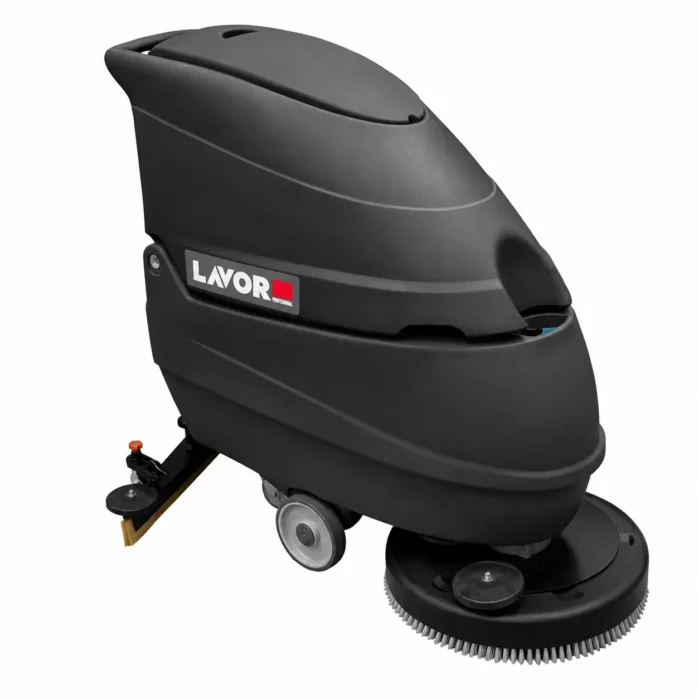
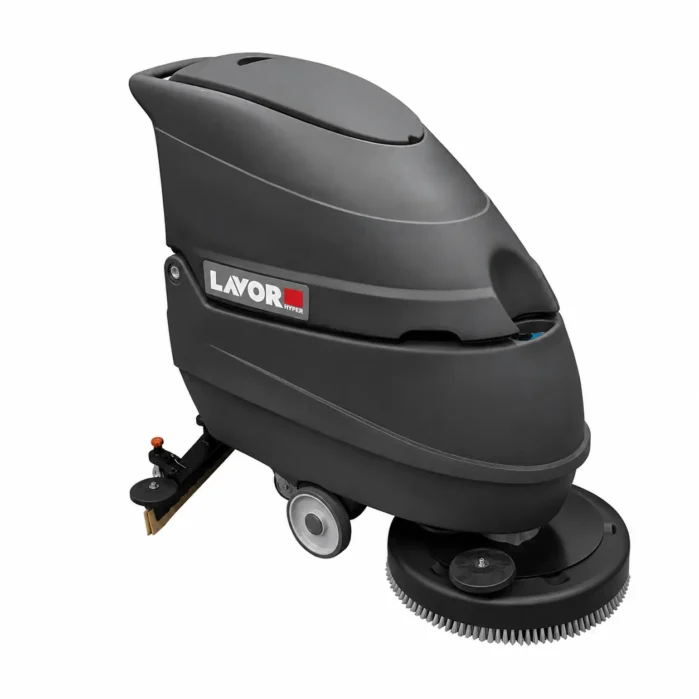
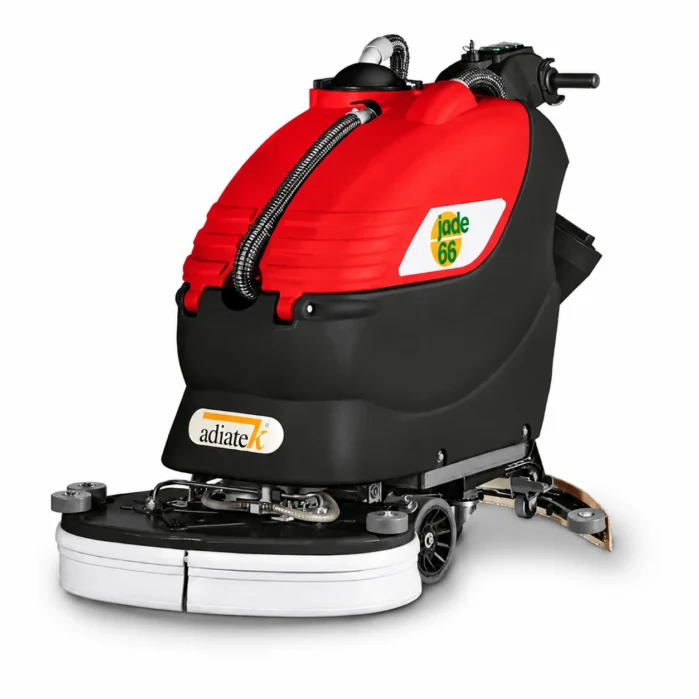
The Jade 66 floor scrubber has a listed 660 mm cleaning width and an 850 mm squeegee. It provides a wider-path comparison for suitable clear floor areas. Confirm the exact offered configuration and handling requirements before deciding that fewer theoretical passes will improve your actual routine.
Ask for the same workload to be considered for both machines. Provide floor and soil information along with access restrictions. This allows differences in power, capacity and handling to be discussed in context. A useful comparison explains how the proposed package fits the available task rather than naming one universal best model for the whole business.
How should floor recovery and reopening be assessed?
Ask which brush or pad and solution are appropriate for the finish and soil. Where a demonstration is available, inspect both cleaning and water recovery on a representative compatible surface. Include turns, joints or other relevant route features. Observations from the actual task are more useful than a generic guarantee that every floor becomes dry in one pass.
Manage access according to the site's procedure and the condition left after cleaning. A recovery system does not eliminate the need to check the result. Equipment setup, component condition and surface texture can all affect what remains. Staff should know when to report an issue instead of assuming that another pass with more solution will solve it.
For appropriate dry loose debris on floors, review walk behind sweepers as a preparation option. For a separate suitable collection task, consider wet and dry vacuums with material suitability checked. If a different part of the site has a large open floor, compare ride on scrubber dryers using its own access and workload requirements.
How do power and servicing arrangements affect the cycle?
A cable machine needs a suitable supply and a practical working arrangement for the route. A battery unit needs the correct charging package and time between uses. Confirm the actual equipment supplied rather than assuming a model name answers every power question. Include charging or connection requirements in the proposed storage plan.
Plan for filling, emptying and cleaning the equipment according to its manual. The location of the service point can affect the task more than a small difference in tank size. Review whether it remains accessible during the intended shift and who is responsible for leaving the machine ready for the next session.
What should a Fujairah quotation cover?
Request the machine, essential working components, applicable tax and any battery or charger as clearly listed items. Ask about replacement squeegee rubbers, brushes, pads and other relevant consumables. Identify optional extras separately so the purchasing team can compare complete configurations for the defined work.
Discuss the planned frequency and duration of use, including how often the machine moves between sections. Ask about warranty scope and service enquiries. Where a demonstration or familiarisation is wanted, confirm the scope and any charge. Do not base scheduling on an unagreed support response or a headline productivity figure.
How can delivery and handover be organised?
Give DCE the full Fujairah receiving address, access conditions and the contact authorised to accept the equipment. Confirm current availability, timing and any delivery charge in the quotation. If the receiving area is controlled or has limited hours, provide those details before dispatch arrangements are agreed.
Review available references through the technical data sheet section and request the exact operating manual. Keep the supplied component list, machine identification and purchase reference together. Ask how inspection or transport for support would be arranged from the premises so the responsible team understands the process before an issue occurs.
Questions from Fujairah operations teams
Should we choose the machine from the whole building area?
Use the actual accessible floor and operating cycle as the starting point. Stored goods, active work and separate surfaces can limit the route. Total area provides context, while the available sections and cleaning windows determine the practical workload.
Can a wider machine solve a short cleaning window?
It may help on suitable clear floors, but obstacles and servicing stops remain. Check the full width and turning requirements. Assess the complete route so a wider specification does not create access problems that cancel its potential coverage advantage.
What if the floor becomes dirty immediately after cleaning?
Review the source and timing of soiling with the operational team. Equipment can perform the defined cleaning task, but it cannot prevent every new movement of dirt. A revised schedule or preparation arrangement may be needed alongside the machine.
Does dirty water recovery guarantee immediate reopening?
Inspect the actual result and follow the site's procedure for managing access. Recovery depends on the surface, setup and equipment condition. A scrubber reduces a defined cleaning workload, but does not remove responsibility for checking the floor after the task.
Request a Fujairah scrubber dryer proposal
Contact DCE on +971 4 2380192 or dcecare@cleantech-gulf.com with your floor route, soiling pattern and working window. Ask for a current machine and accessory quotation. Include photographs and the delivery address so the package can be compared against the daily operation of your premises.