Walk Behind Scrubber Dryers in Al Ain
In a school, training centre or community facility, the floor cleaning schedule follows the use of the building. Corridors become available at different times, furniture may need moving and one room can reopen while another is still being prepared. A machine chosen only from the combined floor area may not fit those changes in access.
Dubai Cleaning Equipment helps Al Ain buyers compare walk behind scrubber dryers around an actual room and activity timetable. Define which hard floors need washing, when each area is accessible and where the machine can be serviced. This allows capacity and handling to be considered within the working period the team really has.
How does a room timetable affect equipment selection?
A continuous open floor gives a different workload from a route split between classrooms, corridors and shared rooms. Count the interruptions for doors, furniture and transfers. The accessible floor may be substantial in total while each available section remains small. A wider scrub path will not necessarily shorten a route dominated by setup and movement.
Identify when the filling, emptying and storage points are available. A service room may be accessible during one shift but locked during another. Include these conditions in the equipment brief. Cleaning capacity is useful only when the team can prepare and maintain the machine within the schedule and according to the model instructions.
How can Al Ain facilities map the work?
A school can group rooms by access period and floor finish. Record where desks or other furniture limit the route, and define which spaces remain manual tasks. This helps the buyer assess the machine against an ordinary working day instead of assuming that every classroom is cleared for each session.
A training or community centre may have bookings that change from day to day. Give the supplier a representative busy timetable as well as the easiest cleaning period. The equipment should be assessed for the intended routine, including preparation and recovery checks, rather than selected from an unusually quiet day that leaves every room available.
A property with several buildings should examine transfers separately. Confirm the route, handling arrangements and whether one machine can realistically serve the planned areas. Where buildings have overlapping cleaning windows, an additional unit or a revised allocation may matter more than increasing the tank capacity of the shared machine.
Which machines can support the route comparison?
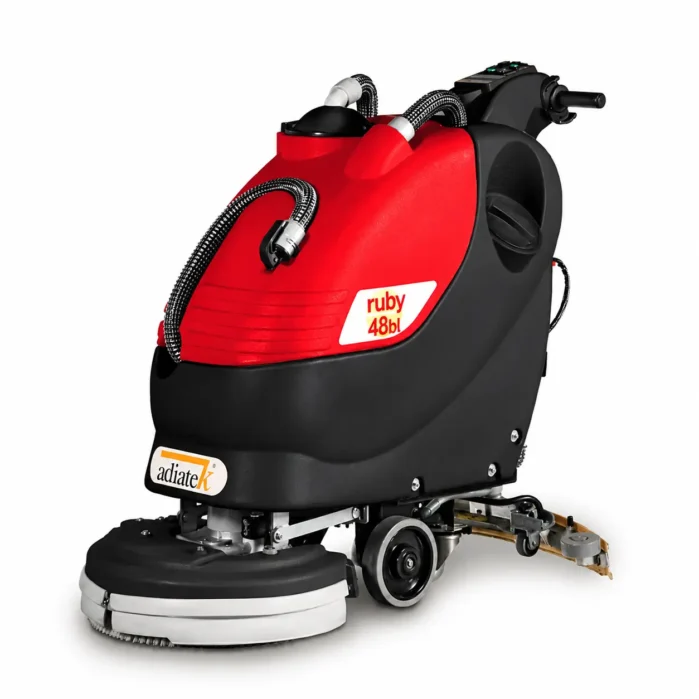
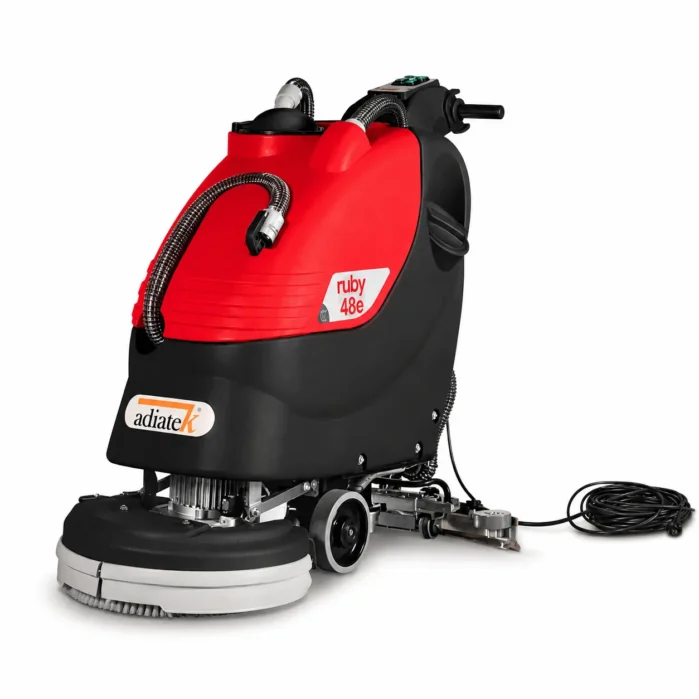
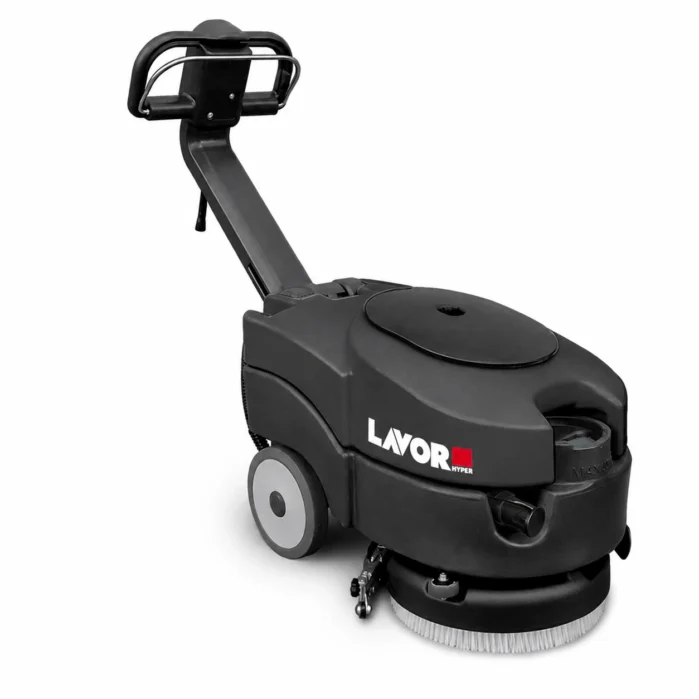
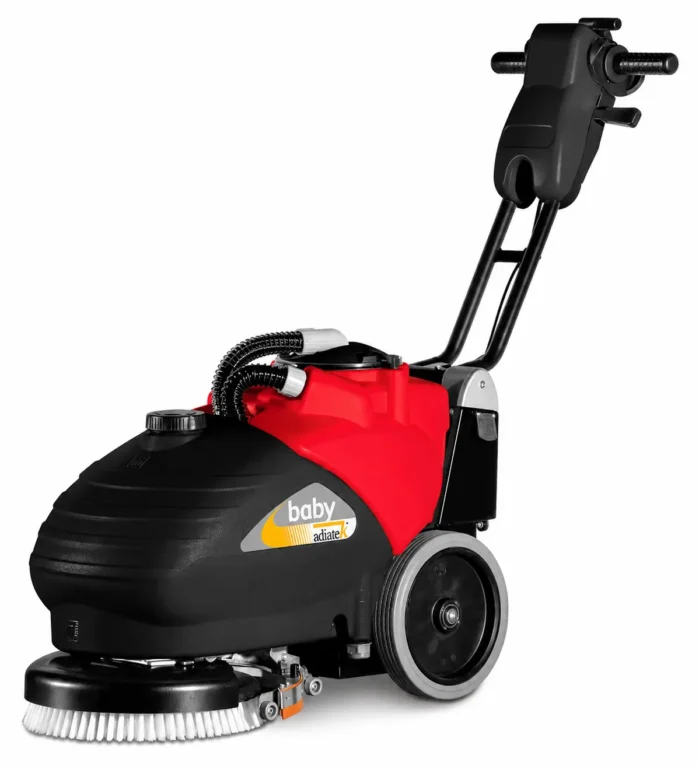
The Baby walk behind scrubber is listed with a 410 mm squeegee. It provides a smaller-format option to discuss where individual rooms and access are important. Request actual operating dimensions and the offered power package, then compare them with doors, furniture and the storage route.
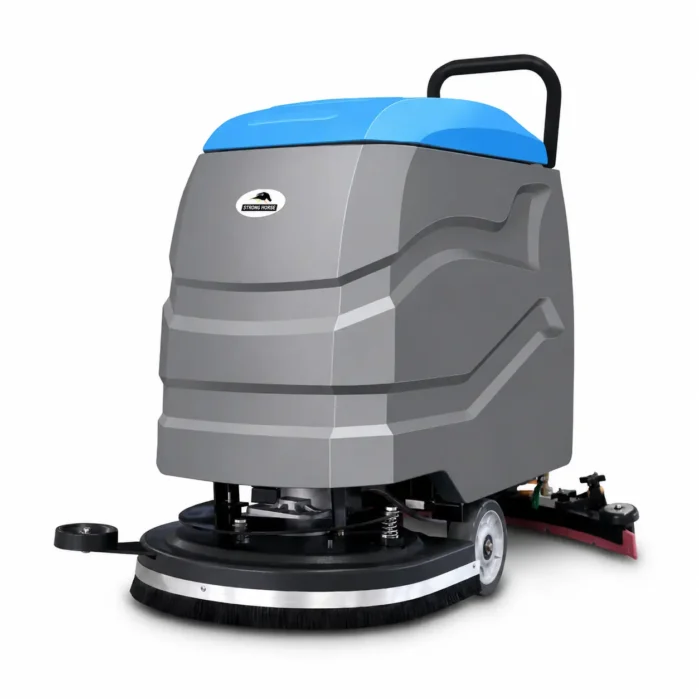
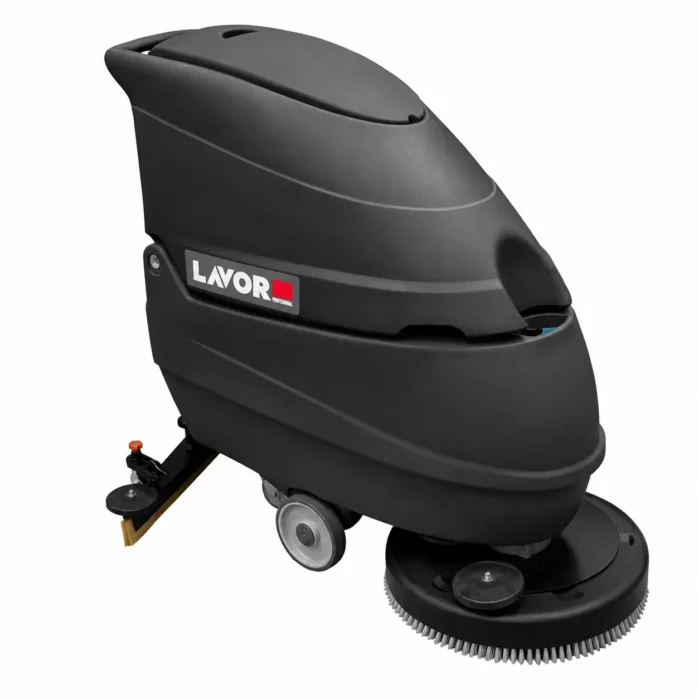
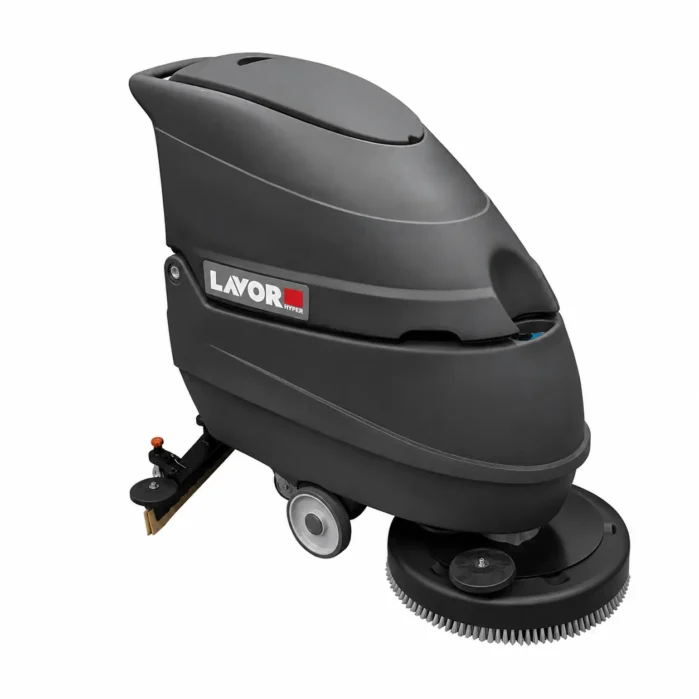
The 2000E scrubber dryer lists a 500 mm cleaning width and a 44 litre solution tank. It offers another comparison point where the floor route supports a cable-powered machine. Review the complete working envelope and available electrical arrangement before deciding whether the extra capacity suits the timetable.
Discuss both models using the same room list. Ask what components are supplied and which working tool is appropriate for each confirmed finish. A comparison that includes access, power and servicing arrangements is more useful than assuming all rooms need the same equipment merely because they belong to one institution.
How should surfaces and cleaning materials be assessed?
Identify the floor material and finish in each group of rooms. Ask for compatible brushes or pads and a suitable solution, taking the floor care guidance into account. Different finishes can need different arrangements. Do not assign one chemical and pad across the route solely to simplify purchasing unless that use has been confirmed appropriate.
Plan suitable removal of loose debris where required before scrubbing. Review commercial vacuums for relevant dry room tasks and walk behind sweepers for appropriate loose material on floors. Keeping preparation separate helps the team understand which stage the scrubber performs and which tasks remain outside its intended role.
If carpeted rooms are included in the same schedule, assess carpet extractors for washing those surfaces. A hard floor scrubber should not be treated as a substitute because it is already travelling through the building. Separate equipment roles make the timetable and purchasing list easier to manage.
How can you assess the machine within the available period?
Where a demonstration is available, choose a representative compatible route. Include a room transition, relevant furniture and movement to the service point where practical. Observe preparation and recovery as well as the visible cleaning result. The session should answer your timetable questions without turning a theoretical output figure into a guaranteed daily capacity.
Involve the intended operator and supervisor in the discussion. They can identify whether controls, handling or maintenance access create difficulties within the routine. Arrange model specific instruction and keep the manual available. Familiarity with manual cleaning does not establish how to prepare and maintain a particular scrubber dryer.
What should an Al Ain purchase package include?
Request the exact machine, included working components, applicable tax and any required battery or charger as itemised details. Ask for replacement consumable references, including relevant pads, brushes and recovery parts. If familiarisation or a demonstration is requested, confirm the scope and any charge separately.
Compare ownership with your actual operating plan. Include storage, staff time for care and any transport between buildings. A larger tank can address some refilling stops, but it cannot resolve a conflict between simultaneous room schedules. Make capacity decisions from the route rather than a fixed floor-area rule.
How should delivery and support be planned?
Provide DCE with the complete Al Ain receiving address, access instructions and authorised contact. Confirm availability, delivery timing and any charges before ordering. Where the premises have restricted receiving periods, include them in the enquiry so handover can be arranged with the right staff present.
Review the technical data sheet section and request the model manual. Clarify warranty scope and the process for arranging support from your site. Retain purchase and machine identification details with the equipment record so future enquiries can explain the exact unit and configuration in service.
Questions from Al Ain education and facilities buyers
Can one machine serve classrooms and corridors?
It can be considered after checking surfaces, access and workload. The route around classroom furniture may differ from an open corridor. Assess both conditions and identify any manual tasks before assuming one machine will cover the complete room list.
Should we use advertised capacity to set the timetable?
Treat maximum capacity as a reference specification. Real work includes movement, preparation, refilling and other interruptions. Use a relevant assessment and your room schedule to plan the task rather than assuming the headline figure is achieved throughout every shift.
Does a larger tank solve transfers between buildings?
It may change refilling frequency, but transport and access remain separate issues. Review routes and overlapping cleaning windows. If one machine cannot reach both jobs at the required time, additional equipment or a revised allocation may need consideration.
Can a scrubber clean the carpeted rooms too?
Use equipment intended for the specific surface and process. Carpet washing normally needs a suitable extraction arrangement rather than a hard floor scrubbing routine. Identify carpet tasks separately when discussing the overall equipment package with DCE.
Request an Al Ain floor cleaning proposal
Call +971 4 2380192 or email dcecare@cleantech-gulf.com with your room timetable, floor finishes and access measurements. Request a current DCE quotation for the appropriate machine and components. Include your delivery address and transfer requirements so the proposal reflects the full working route.