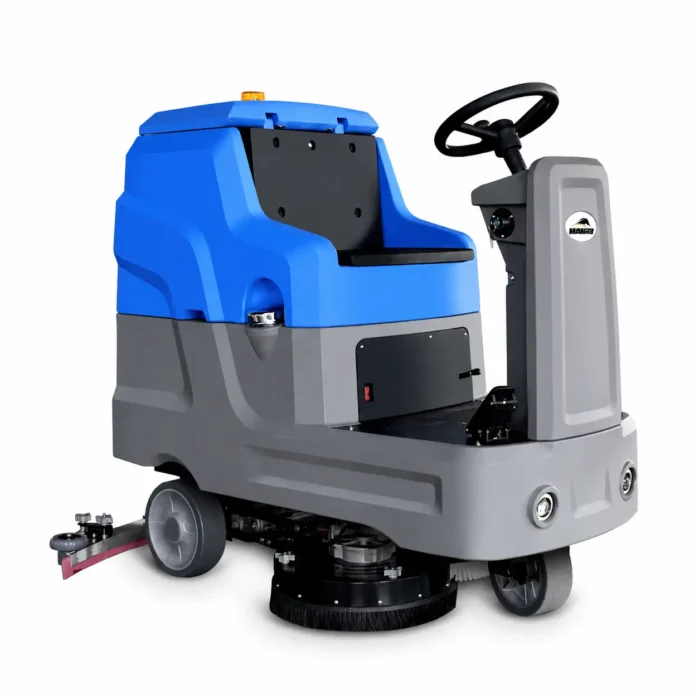
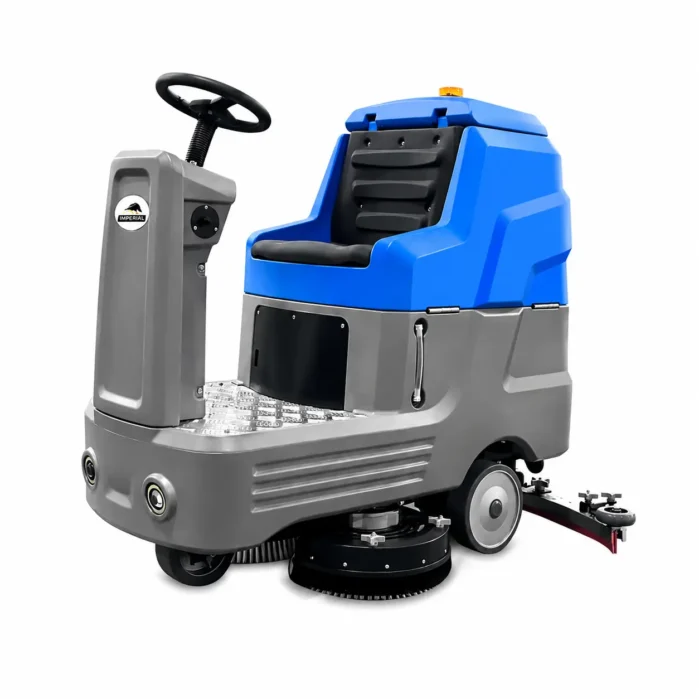
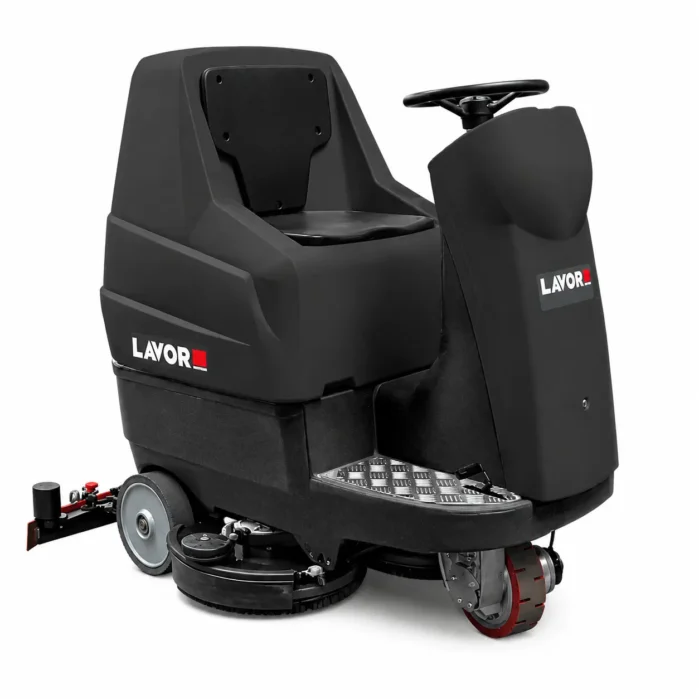
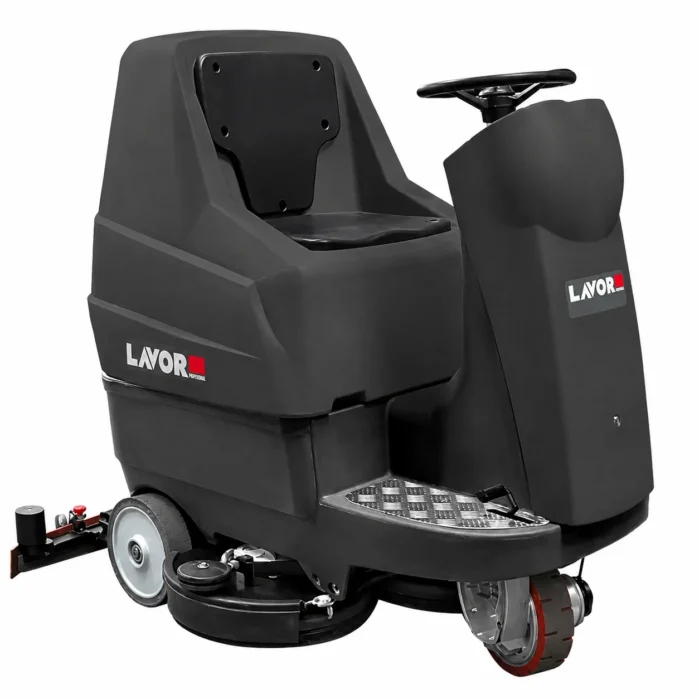
Ride-On Scrubber Dryers in Sharjah
A factory floor can look ready for cleaning while the production team is still moving materials through it. In a warehouse, the same aisle may serve picking, dispatch and replenishment throughout the day. Buying a ride-on floor scrubber without understanding those movements can leave your cleaning team waiting for access instead of completing its route.
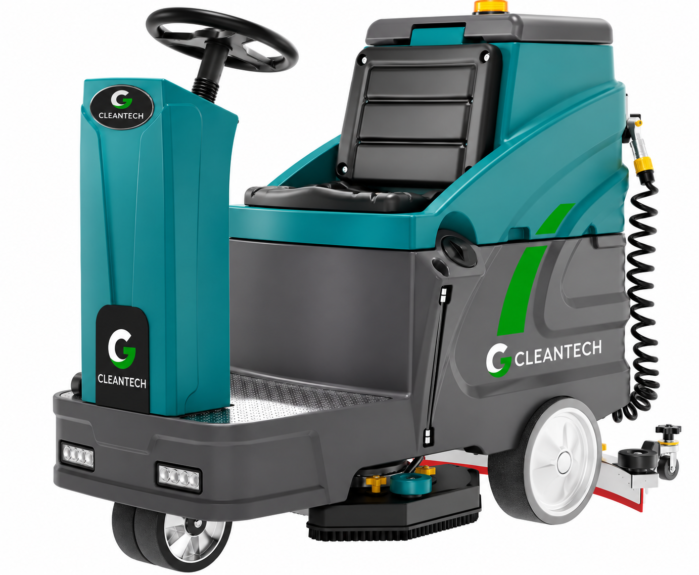
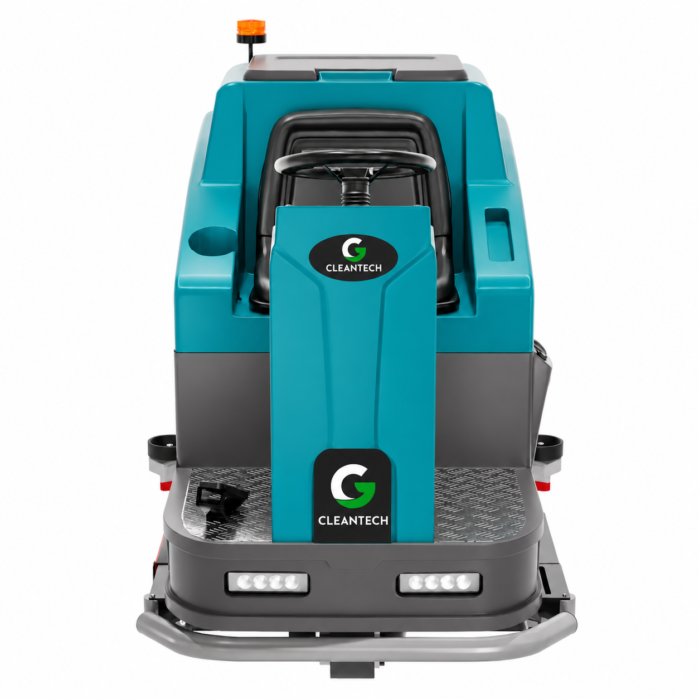
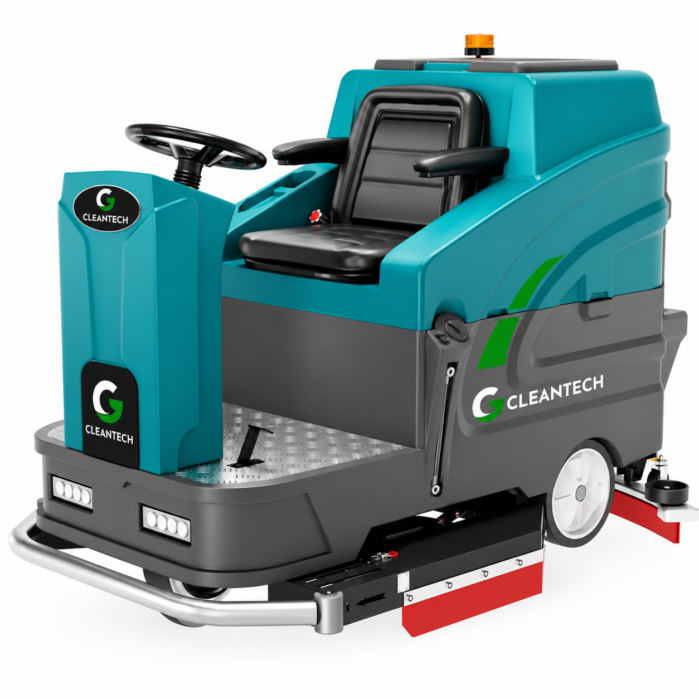
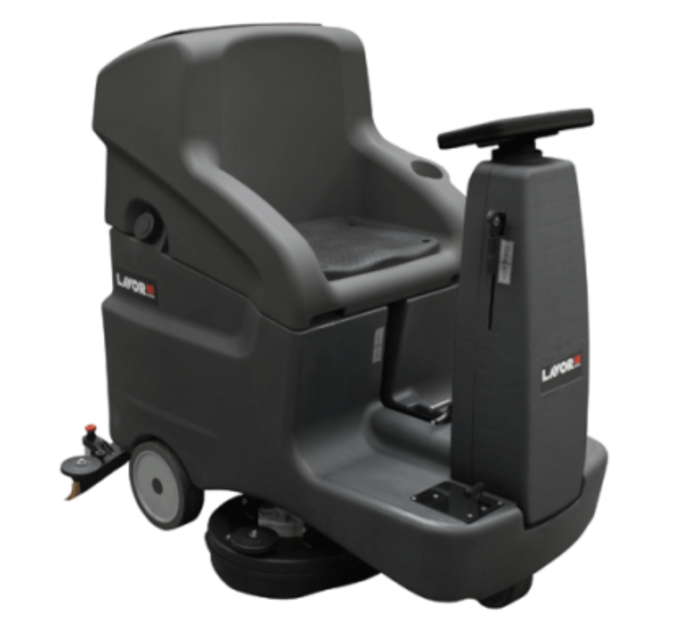
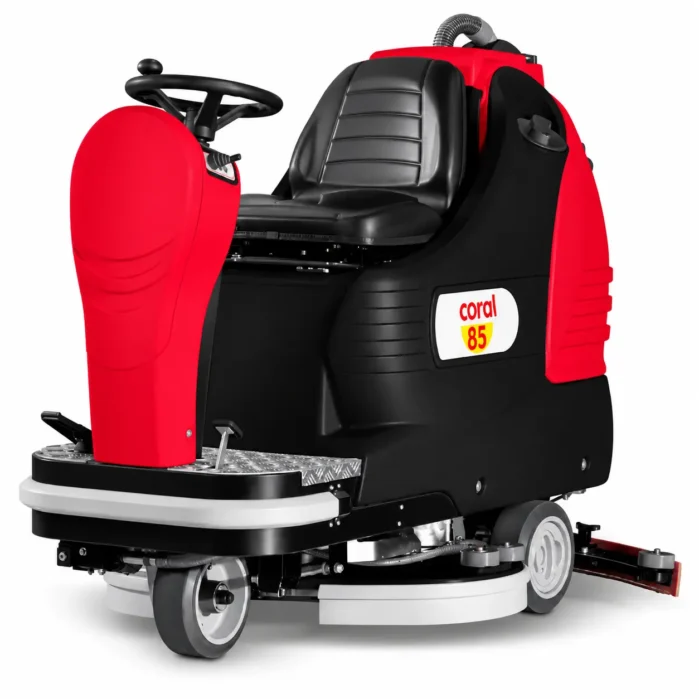
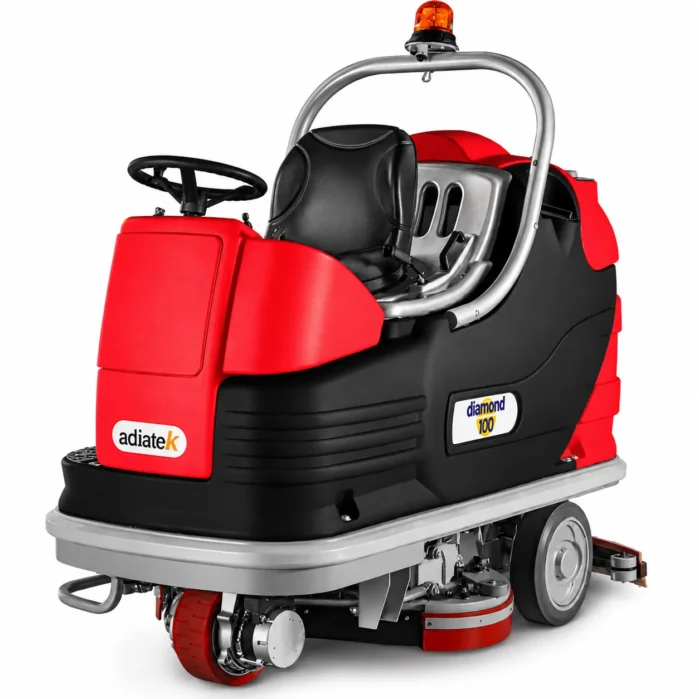
Dubai Cleaning Equipment supplies ride-on scrubber dryers for businesses in Sharjah. This page helps operations managers and cleaning contractors compare machines around an industrial working day: when each zone becomes available, what material needs removing and how the operator can finish the job without repeatedly returning to occupied areas. Explore our ride-on scrubber dryer range alongside your own cleaning schedule.
Why Does Your Floor Need Another Clean Before the Shift Ends?
Repeated cleaning is often a scheduling problem. A freshly cleaned traffic lane may immediately receive another delivery, while an aisle scheduled later remains blocked by stock. Track where operators repeat work and ask whether cleaning can follow the movement of goods more closely. A simple zone plan can make equipment comparisons more useful than a single total floor-area figure.
Also separate loose debris from marks that require wet scrubbing. Packaging scraps, grit and residues from production do not necessarily call for the same collection method. Tell us what your team encounters rather than describing everything as dirt. Where routine debris removal is needed first, compare ride-on industrial sweepers as part of the complete cleaning process.
If an operator reports poor results, check the task, brush or pad selection and preparation before assuming a larger machine will solve it. Record the location, surface and type of residue. Those observations help identify whether the problem is access, equipment setup or the cleaning method being used.
Which Sharjah Sites Benefit From Planning Cleaning by Zone?
Production floors and industrial buildings
Sharjah has established industrial areas, including Industrial Areas 6 and 7. For a production facility, map the routes around workstations and the periods when movement is restricted. Distinguish finished-goods storage from active production. Describe any materials that require special handling so the equipment discussion addresses the actual task rather than a general industrial label.
Distribution warehouses and dispatch areas
For a warehouse, focus on the sequence between receiving, storage and dispatch. A wide open floor beside a loading door does not establish the access available between racks. Include narrow passages, changes in floor level and temporary pallet locations. Your operator needs a route that remains workable during a normal shift, not only when the building is empty.
Contractors responsible for agreed cleaning times
A contractor may have to hand areas back to the client at different times. Build those deadlines into the machine comparison. Identify who authorises access and who checks the finished area. If the contract includes both open floors and small rooms, consider how walk-behind scrubber dryers could cover the sections a ride-on cannot reach efficiently.
Which Models Should You Put on the Shortlist?
Compare the Bravo 3250 with its 660 mm cleaning width against the XP125 with an 860 mm scrubbing width. The useful question is how each would move through your assigned zones. Check the complete dimensions, squeegee span and turning requirements before connecting a wider path with a shorter shift.
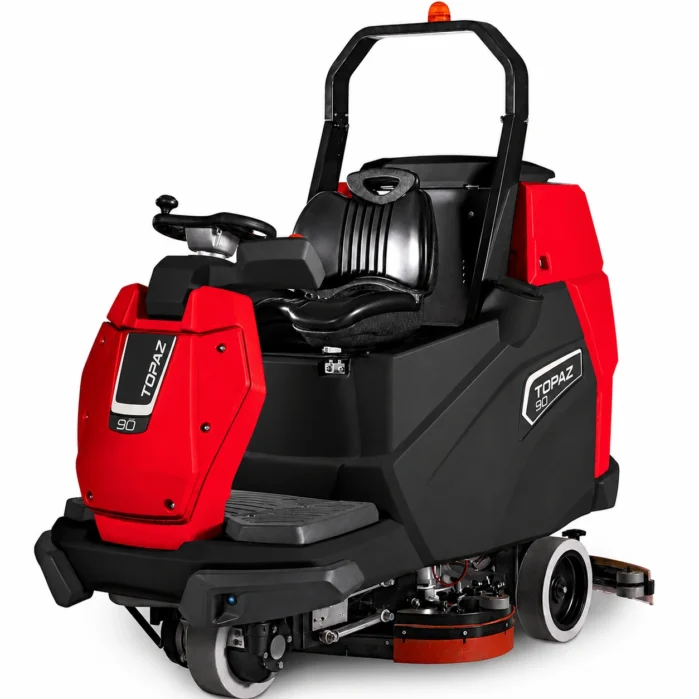
For a broader open-floor comparison, review the Topaz 90, which lists a 900 mm cleaning width. Ask for the supplied battery configuration and evaluate the schedule around charging and operator breaks. A shortlist should include the machine package and operating arrangements, not just the model name.
Use the technical data sheet section to collect the relevant specifications for your procurement file. Confirm any unclear differences before placing an order, especially when quotations include different batteries, chargers or accessories.
How Can You Compare Practical Output on Your Site?
Start with a representative route rather than the easiest open area. Include a turn between racks, a doorway and the journey to the filling and emptying points. Note which sections are available continuously and which depend on production stopping. This gives the sales discussion enough detail to assess practical access.
Ask how the machine should be set up for your floor and residue. A coated traffic lane and a different surface near a workstation may need separate care arrangements. Share floor-care instructions and photographs of recurring marks. Avoid assuming that higher brush pressure is appropriate simply because a mark is difficult to remove.
Finally, estimate the full shift with preparation, replenishment, waste handling and daily care included. Advertised capacity is a useful comparison input, but the working route determines the time available for cleaning. Discuss how operators will report problems and where basic consumables will be kept so a missing item does not interrupt the next shift.
What Should a Sharjah Buyer Compare in the Quotation?
Request the machine specification, battery and charger details, included brushes or pads and delivery terms. If you are comparing suppliers, give each the same site brief. Otherwise, differences in their recommendations may reflect different assumptions rather than different value.
Budget for the materials your chosen process requires, including compatible detergent and replacement wear items. Ask how servicing, replacement blades and technical assistance are arranged. Your purchasing team should understand how to keep the equipment usable through the contract period, as well as the amount payable at the start.
How Do You Prepare for Delivery and Operator Handover?
Provide the exact Sharjah address, receiving hours and any instructions for access to the premises. Clarify unloading arrangements and who will inspect the delivered package. If your site requires visitor approval or a receiving appointment, include those details before the delivery date is agreed.
At handover, discuss the planned zones and the operator's daily care responsibilities. Ask about demonstration or familiarisation arrangements for the selected model. Keep the instruction manual accessible and identify who will contact support if the cleaning team encounters a problem.
Frequently Asked Questions
Can one ride-on scrubber clean both production and storage areas?
Possibly, but the surfaces, residues and access need reviewing together. Explain how the zones differ and whether your site has procedures for keeping equipment or cleaning tools separate. The recommendation should account for those requirements before a shared machine is selected.
Should I buy the widest machine that fits the warehouse?
Compare how it fits the complete route, including turns and the storage location. A wider cleaning path may help on open floors but provide little benefit where access repeatedly interrupts the operator. Measure restrictions and discuss the normal working layout.
Can a ride-on scrubber replace a sweeper?
The equipment serves different tasks. Explain the loose material on your floor and the wet-cleaning work required. Our team can discuss whether a separate sweeping stage is appropriate rather than asking a scrubber to perform an unsuitable collection task.
What information makes a demonstration useful?
Provide the surface, recurring residue, typical obstacles and cleaning window. Ask to assess a representative route if arrangements allow. The purpose is to understand access and cleaning setup under conditions relevant to your contract, not simply watch the machine move across an empty floor.
Request a Sharjah Equipment Recommendation
Send your zone plan, floor photographs and required completion times. Include the existing equipment and the interruptions you want to reduce. Dubai Cleaning Equipment can help you compare a ride-on scrubber dryer against the work your Sharjah facility needs completed.
Call +971 4 2380192 or email dcecare@cleantech-gulf.com. Request a quotation with the recommended configuration, accessories and delivery arrangements clearly stated.