Ride-On Scrubber Dryers in Fujairah
A logistics building can have an open indoor floor and a busy receiving area just outside it. Cleaning responsibilities may stretch across both, yet the equipment suitable for routine indoor scrubbing should be selected separately from the tools used on outdoor yards or specialised operational areas. That distinction belongs in the buying brief from the beginning.
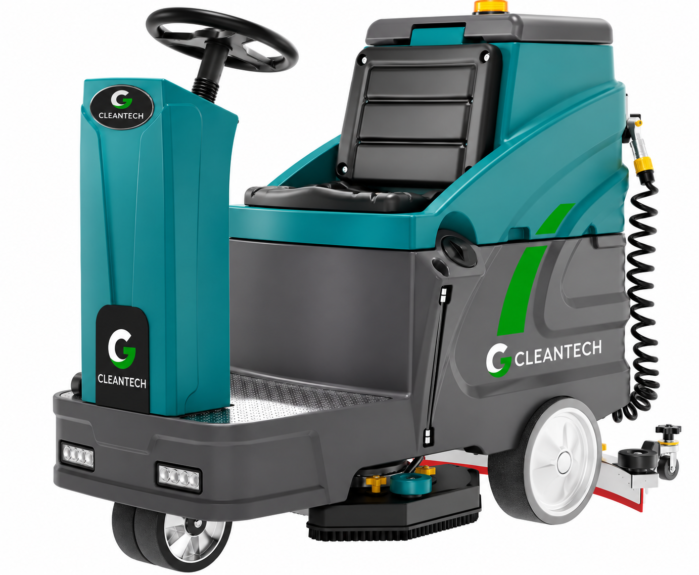
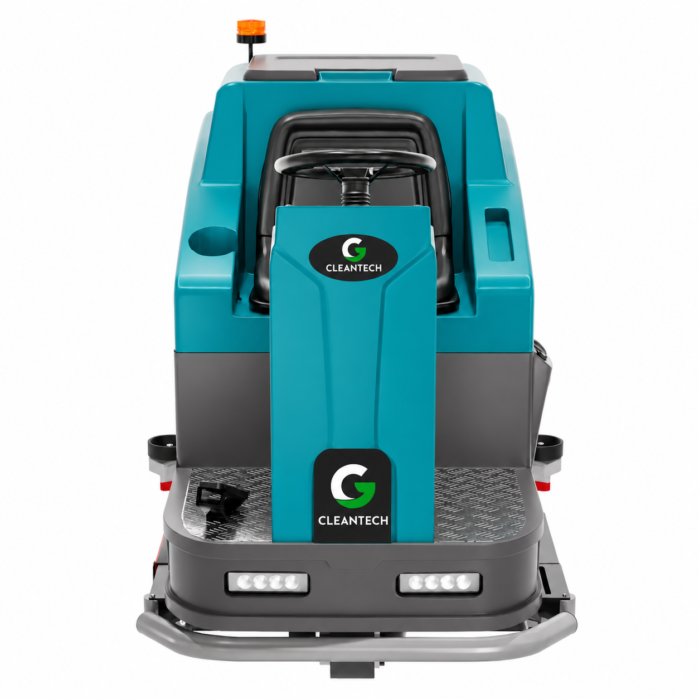
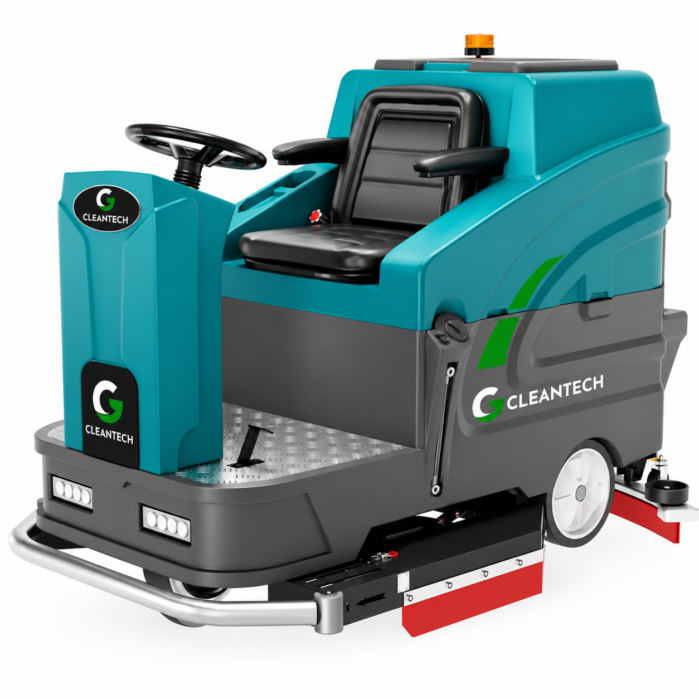
Dubai Cleaning Equipment supplies ride-on scrubber dryers for Fujairah facilities. For warehouse teams, commercial operators and contractors working around scheduled goods movements, we help assess the floor assigned to the machine and the practical arrangements needed to keep it in service. Browse our ride-on floor cleaning machines before preparing a task-specific enquiry.
Where Does the Indoor Cleaning Task Start and Finish?
Draw a boundary around the floor intended for wet scrubbing. Mark receiving thresholds, storage aisles and any connection to external work areas. A machine chosen for an accessible indoor route should not automatically be assigned to every surface within the premises. Describe other tasks separately so the equipment recommendation can distinguish them.
Next, identify where loose material is introduced. Goods movement can create a preparation task before the operator begins scrubbing, depending on what is being handled. If dry debris removal is a regular part of the routine, compare ride-on industrial sweepers for that stage. Include the actual material and your handling procedures in the enquiry.
Explain any residue requiring special assessment rather than assuming a general-purpose scrubber can handle it. The important details are the substance, surface and site conditions. Our team needs that description to discuss equipment suitability and the appropriate cleaning method for the defined task.
Which Fujairah Businesses Need This Distinction?
Indoor storage linked to cargo movements
Fujairah's port facilities support cargo and maritime activity. If your business operates an indoor warehouse linked to these movements, explain when goods arrive and which lanes remain available for cleaning. Include access restrictions that apply to your particular premises. This page addresses routine floor-equipment selection, not a claim that every port-related task suits the same machine.
Commercial buildings with service entrances
A commercial property may have an indoor presentation standard and a separate maintenance requirement around service access. Identify the floor finish and when each area can be occupied by cleaning equipment. Discuss the storage route and whether the machine needs to cross any unsuitable surface to reach its assigned floor.
Contractors managing equipment availability
If a missed cleaning period affects a client handover, think about how the equipment will be prepared and maintained between shifts. Specify who checks it, which consumables are held at the site and how a support request will be raised. Reliable deployment starts with that operating arrangement as well as the machine specification.
Which Models Can You Compare for Accessible Indoor Floors?
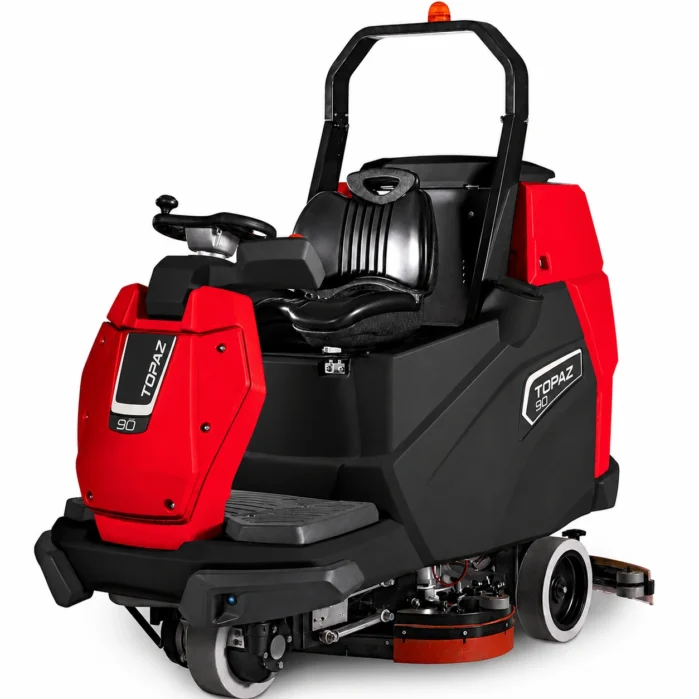
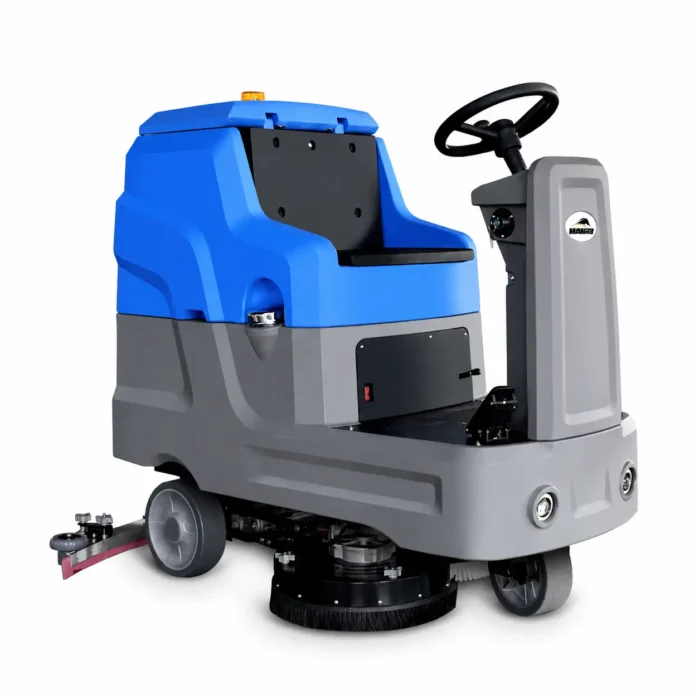
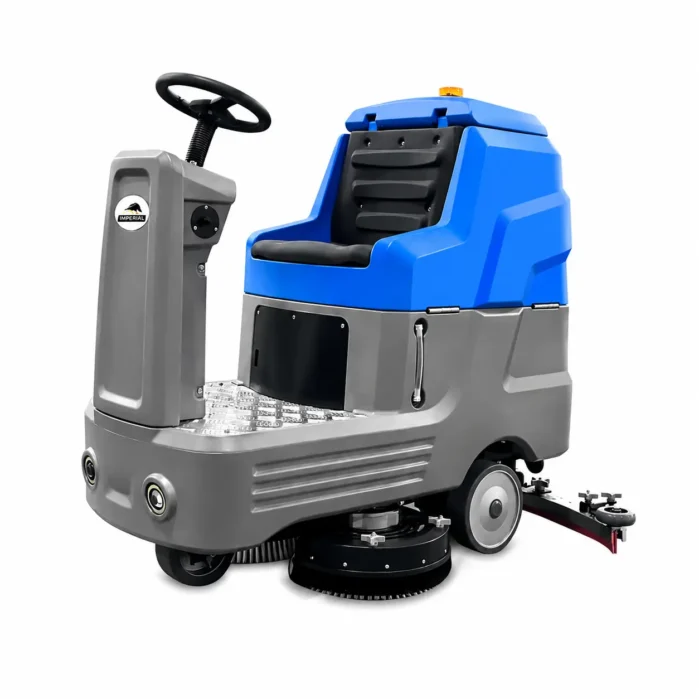
The Topaz 90 lists a 900 mm cleaning width. Assess it where the indoor route contains broad areas that remain accessible during the allotted cleaning period. Ask for the supplied battery arrangement and compare the machine's complete footprint with the route to storage.
The XP125 lists an 860 mm scrubbing width. Put it on the same site plan to understand whether its specification matches the assigned lanes. Your comparison should explain which areas each proposed configuration could serve, rather than selecting from cleaning-width figures in isolation.
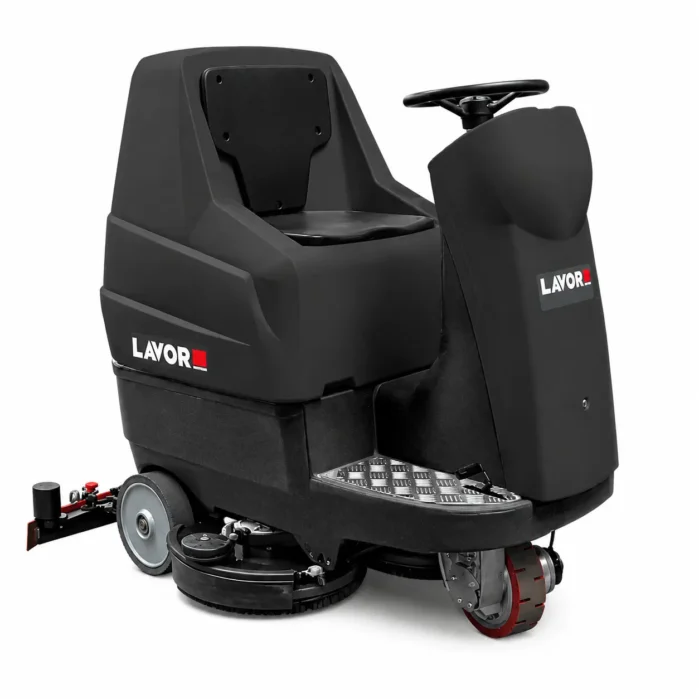
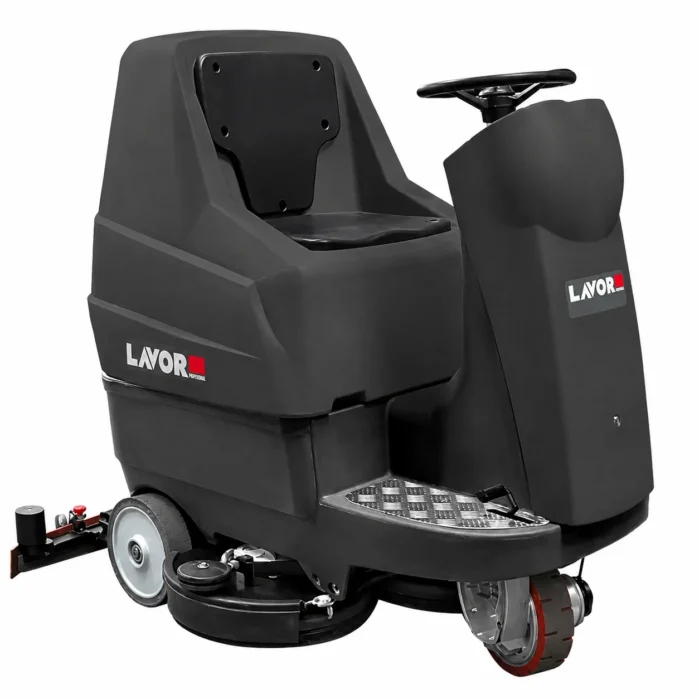
For a more restricted indoor route, discuss the Bravo 3250 with its 660 mm cleaning width. Complete dimensions and turning clearance still need confirming. Use the linked listings and technical data sheets to review the exact model before requesting a complete package price.
How Do You Plan Cleaning Around Goods Movements?
Choose a typical working day and mark when the main lanes become available. Consider cleaning an area after its scheduled goods movement rather than immediately before it is used again. Discuss the sequence with the operations team so the operator does not arrive at a blocked section without an alternative route.
Include filling, emptying and charging arrangements in the plan. If an operator must travel through a controlled entrance to reach a service point, record that requirement. It affects how the shift should be organised even when the scrubbing area itself is straightforward.
Assess the clean-up and storage routine after use. A suitable place to inspect the equipment and put away its tools helps staff prepare for the next scheduled task. If small spill response remains necessary between machine-cleaning periods, review wet and dry vacuums as a separate equipment requirement.
What Should the Fujairah Quotation Make Clear?
Identify the model, battery and charger package and the supplied floor-care tools. Request any additional accessories as named items. A clear package list lets the receiving team check what arrived and gives procurement a record of the equipment approved for the job.
Discuss expected maintenance and access to replacement wear items. Ask how the support process works for your model and location. If you need a particular receiving date, give the reason and ask for confirmation rather than treating an online listing as a delivery commitment.
Consider the cost of keeping the cleaning plan workable. That includes operator preparation and the appropriate consumables. If the route demands another machine for restricted or outdoor sections, account for that division of work when reviewing the budget. A complete equipment plan is more useful than an isolated purchase price.
What Site Details Are Needed for Delivery?
Send the precise address, receiving entrance and unloading arrangement. For premises with controlled access, identify the person who can coordinate entry and explain any appointment requirements. Make those details available before agreeing a delivery slot so the receiving process can be planned.
Confirm warranty terms and any familiarisation or demonstration request with our team. Provide the proposed indoor test area and the floor conditions you want to review. Keep the agreed scope clear so everyone understands which cleaning task the equipment is intended to address.
Frequently Asked Questions
Can I use the machine for an indoor warehouse and outdoor yard?
Describe both surfaces and the work required on each. Equipment should be assessed for its intended conditions before shared use is proposed. Ask whether the outdoor work needs a separate sweeper or another cleaning method rather than extending the indoor assignment automatically.
What information is needed for a logistics warehouse enquiry?
Provide the accessible indoor floor area, aisle restrictions, surface and goods movement schedule. Add the preparation materials your team handles and the service points used for filling and emptying. These details connect the recommendation to your actual working day.
How can I plan support before the equipment arrives?
Ask for the contact process, applicable warranty terms and the wear items relevant to the model. Decide who will report problems and keep the manual with the site's equipment records. Include any operator familiarisation request in the quotation discussion.
Can you coordinate delivery to a controlled-access property?
Send the location and its receiving requirements to our team. We can discuss the arrangements needed for the proposed delivery. Confirm appointments, unloading and charges in the order details instead of assuming they are included in a general shipping statement.
Request Equipment for Your Fujairah Facility
Share the indoor cleaning boundary, operating timetable and receiving details. Tell us whether your main problem is interrupted access, preparation work or the capacity of your existing machine. This allows us to discuss a ride-on scrubber dryer around a defined operational requirement.
Call Dubai Cleaning Equipment on +971 4 2380192 or email dcecare@cleantech-gulf.com for a current quotation and confirmation of the supply arrangements.