Ride-On Scrubber Dryers in Al Ain
Cleaning a property with several buildings is different from cleaning one uninterrupted warehouse floor. Your team may move between indoor halls, covered connections, storage rooms and public-access areas. Adding all those spaces together can suggest a large equipment requirement while concealing the doorways and routes that control daily use.
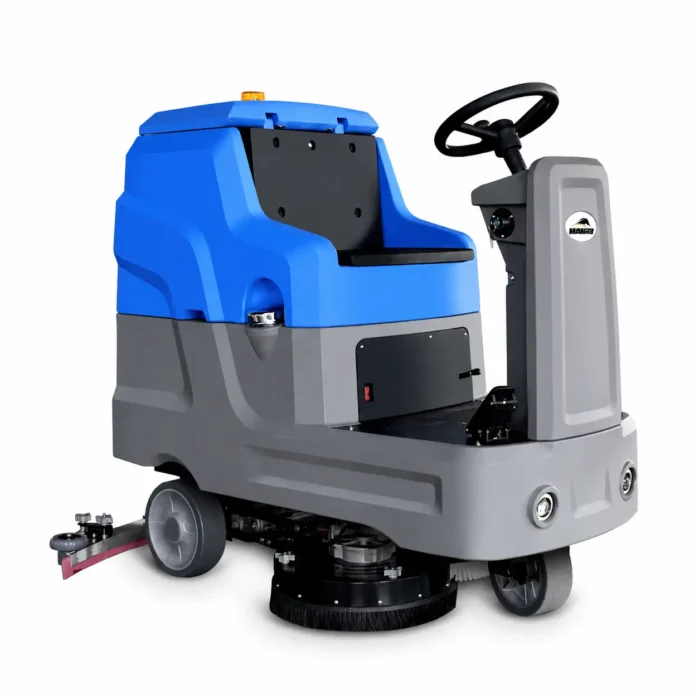
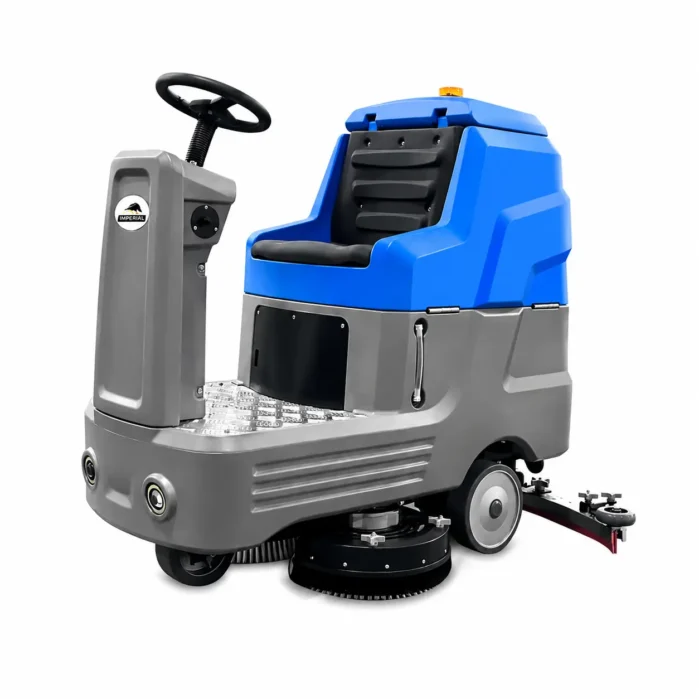
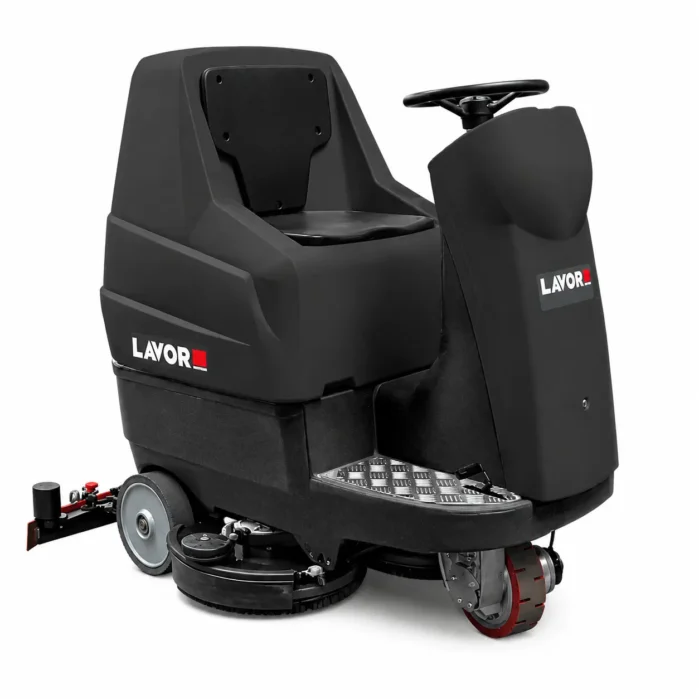
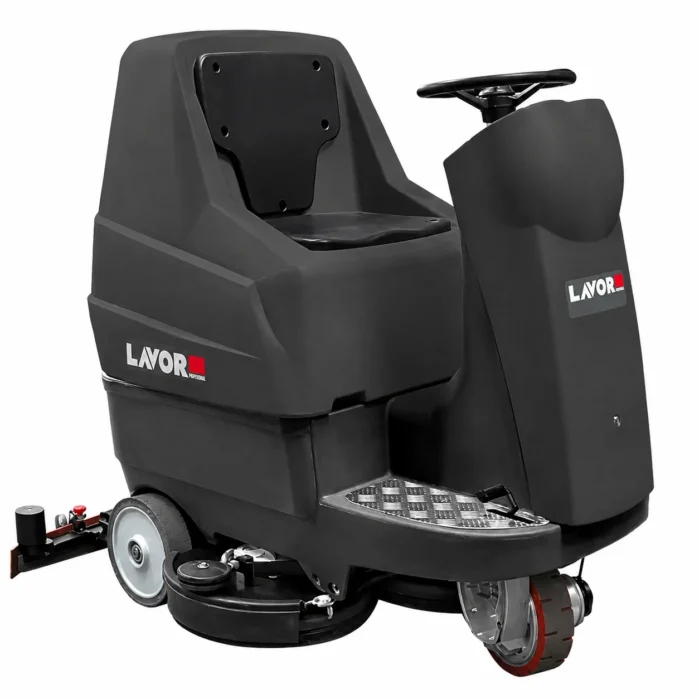
Dubai Cleaning Equipment supplies ride-on scrubber dryers for Al Ain facilities. We help campus managers, commercial property teams and warehouse operators assess the actual cleaning zones before choosing equipment. Review the ride-on scrubber dryer collection with a plan of the areas where the machine will operate and how it will travel between them.
Why Can a Large Property Still Need More Than One Cleaning Method?
The important measurement is the route available to the machine, not only the total floor area. One building may have a broad hall while the next has narrow passages or a different finish. The journey between them may introduce steps, thresholds or surfaces that are unsuitable for the proposed equipment. Identify those boundaries before requesting a model.
Write down which tasks require scrubbing and water recovery, which require dry debris collection and which will remain manual. This prevents the cleaning schedule from depending on a machine reaching every part of the property. For restricted indoor routes, compare walk-behind scrubber dryers rather than forcing the ride-on to serve unsuitable sections.
A building-by-building plan also helps explain operator time. If staff spend a significant part of the shift relocating equipment, the advertised cleaning capacity may say little about the amount of floor completed. Include movement, replenishment and storage time when comparing the proposed arrangement.
Which Al Ain Buyers Need a Route-Based Equipment Plan?
Education and institutional property teams
For a site with halls, corridors and separate buildings, identify the zones available before occupants arrive and those available later. Discuss access with the property team, including door clearances and any lift restrictions. Machine selection should follow those measured conditions and your organisation's cleaning procedures, rather than an assumed campus-wide specification.
Warehouses and light industrial facilities
KEZAD's facilities include industrial and logistics development in Al Ain. If you manage a warehouse in the area, distinguish the open storage floor from office passages and loading access. Describe how goods are moved and whether the cleaning route changes during receiving. The equipment brief should reflect your building, even when neighbouring premises appear similar.
Commercial managers maintaining mixed floor finishes
A property with a public hall, tenant corridors and service rooms may have several care requirements. Provide the surface and existing instructions for each zone. Tell us where the machine will be stored and whether its tools will need changing between areas. This helps establish a routine that staff can follow consistently.
Which Ride-On Models Can You Review for Separate Indoor Zones?
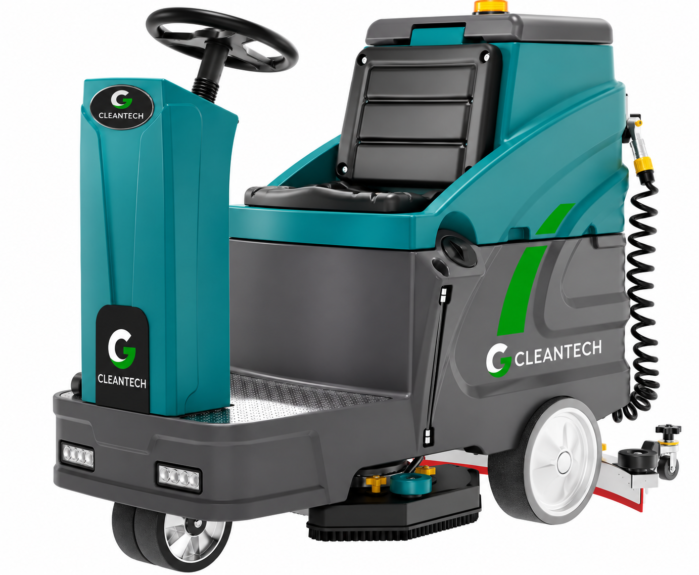
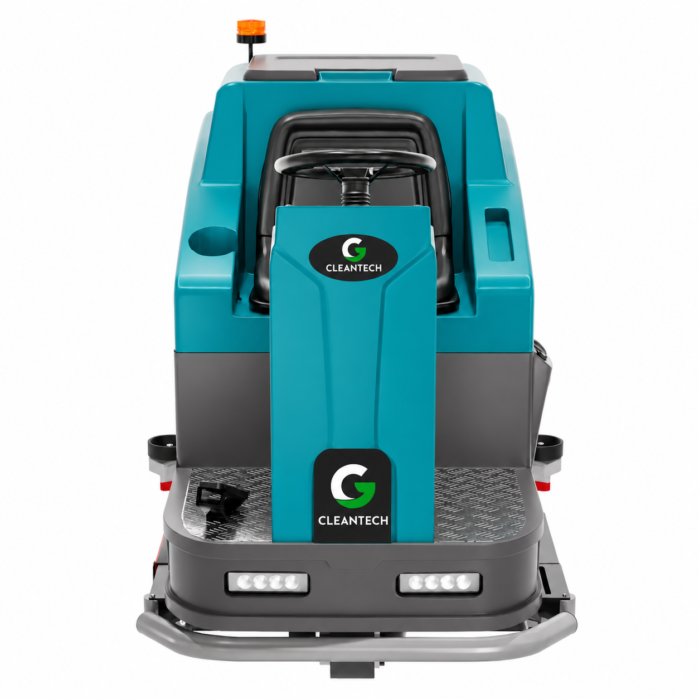
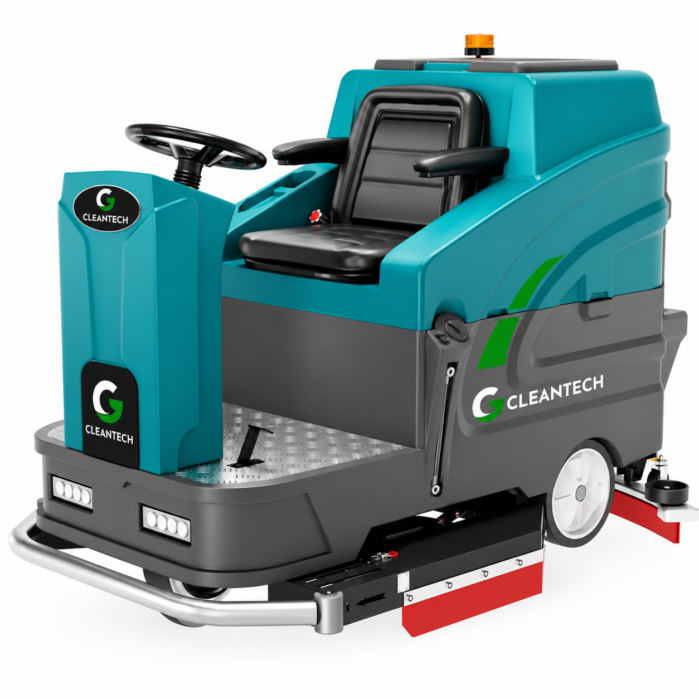
The Bravo 3250 offers a listed 660 mm cleaning width. Compare the complete machine footprint with access between your indoor zones. The relevant question is whether it can reach the assigned floor and return to storage without unnecessary relocation arrangements.
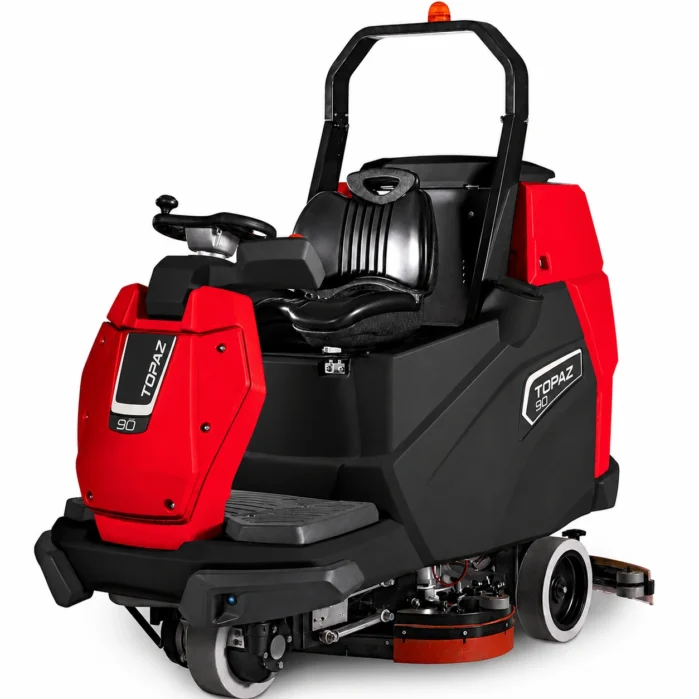
The Topaz 90 lists a 900 mm cleaning width. Consider that specification when an accessible hall or warehouse forms a substantial part of the routine. Ask how the supplied configuration would fit the time allocated to that area and the arrangements for charging and daily care.
For each option, collect the full specification from the product page or technical data sheet library. If the building includes access restrictions, send the measurements with your enquiry. A product's cleaning width is not a substitute for checking the space required by the entire machine.
How Do You Build a Useful Cleaning Route for the Quotation?
Start at the intended storage location. Follow the route through the doors and passages to each assigned cleaning zone. Note the narrowest point and any change in level. Identify which connections are indoor and which require travel outside, then ask whether the proposed route is appropriate for the equipment.
Next, mark the water supply, disposal and charging arrangements. If those facilities are in another building, account for the extra movement. Your operator should have a practical way to prepare, replenish and put away the machine within the available shift.
Finally, separate the timetable from the floor plan. A route may be physically accessible but occupied when your team needs it. Explain the hours available for each zone, including periods when noise or movement needs to be limited. This allows equipment and workflow to be discussed together instead of treating building access as a fixed condition.
How Should You Compare Capacity and Operating Costs?
Compare the floor actually assigned to the ride-on and the time required to complete it. If several buildings need different machines, evaluate the complete arrangement. The budget should not assume that one machine can replace all equipment simply because the property's combined floor area is large.
Request the battery and charger configuration, the floor-care tools and the delivery terms in the quotation. Ask about consumables and routine maintenance for the intended schedule. A property team managing annual budgets benefits from understanding those ongoing requirements before the purchase is approved.
If the machine will be shared between departments, agree responsibility for charging, inspection and reporting faults. This is part of the operating plan. A clear handover between users helps avoid the next team discovering that the equipment has not been prepared for its assigned cleaning period.
What Is Needed to Arrange Supply to Al Ain?
Provide the location of the actual receiving entrance, not only the property's general postal address. Explain any appointment requirements and who can authorise entry. Confirm how the machine will move from the receiving point to its storage location, especially where different buildings use different access routes.
Discuss warranty coverage and after-sales arrangements for the selected equipment. If familiarisation is required for more than one operator, include that in the enquiry. Request confirmation of any demonstration arrangements and make the representative cleaning zone clear before a visit is planned.
Frequently Asked Questions
Can the same ride-on clean several buildings in Al Ain?
That depends on access, floor conditions and the route between buildings. Send those details rather than relying on the combined area. The recommendation should identify the floors assigned to the machine and any sections requiring another method.
How should I assess corridors and doorways?
Measure the narrowest points and compare them with the full machine dimensions and turning requirements. Include the squeegee and the route to storage. Photographs help explain restrictions that a floor-area estimate will not show.
Should I use a scrubber dryer on an outdoor connection?
Describe the surface, exposure and travel route to the sales team. Do not assume an indoor cleaning setup suits every exterior section. Discuss the appropriate equipment for the specific outdoor work and any movement needed between indoor zones.
What should departments agree before sharing a machine?
Assign responsibility for preparation, charging, daily care and recording problems. Agree the cleaning timetable so one team does not retain the machine during another team's allocated period. Include those operating details in the purchasing decision.
Discuss Your Al Ain Cleaning Route With Us
Send a simple plan of the buildings and identify the floor zones needing regular wet cleaning. Add photographs of the connections and the planned storage area. We can help you compare ride-on equipment against the route your operators will actually use.
Call +971 4 2380192 or email dcecare@cleantech-gulf.com to request a quotation for your Al Ain facility, including the appropriate configuration and delivery details.