Pressure Washers in Al Ain
Outdoor cleaning across several zones can become a moving and setup exercise as much as a washing task. The team finishes one area, relocates the machine, finds another connection and reorganises the hose before work resumes. Buyers considering pressure washers in Al Ain should plan those movements alongside the required cleaning performance.
Dubai Cleaning Equipment's pressure washer range includes electric and engine driven configurations. Choosing between them starts with the work area, available utilities and approved operating conditions. A clear zone plan helps the supplier understand where the machine needs to work and which practical constraints the quotation should address.
Why should you divide the site into cleaning zones?
Different outdoor areas may have different finishes, contamination and access windows. A paved service area should not automatically receive the same treatment as a coated surface or a sensitive fixture. Record what each zone contains and which cleaning methods its materials allow before selecting equipment for the whole site.
For each zone, identify the nearest suitable water connection, available electrical supply where relevant, and an approved machine position. Add the route people and vehicles normally use. The team needs enough working space to manage the hose without turning a cleaning task into an obstruction for other users.
Also record where wash water is permitted to go. Cleaning several zones does not mean runoff can be moved from one to another without review. The responsible site team should approve the arrangement, taking account of the material being removed and any surrounding areas that need protection.
What should you check about the water supply?
Start with the proposed machine's current inlet requirements. Flow, permitted inlet conditions and connection details should be confirmed from its specification. Do not assume that a convenient tap or an existing hose arrangement can support every model in the range.
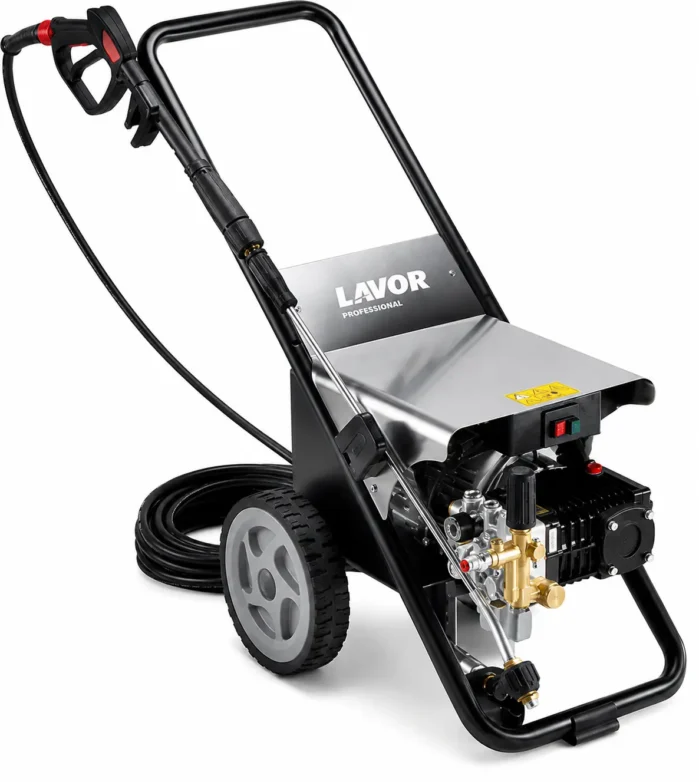
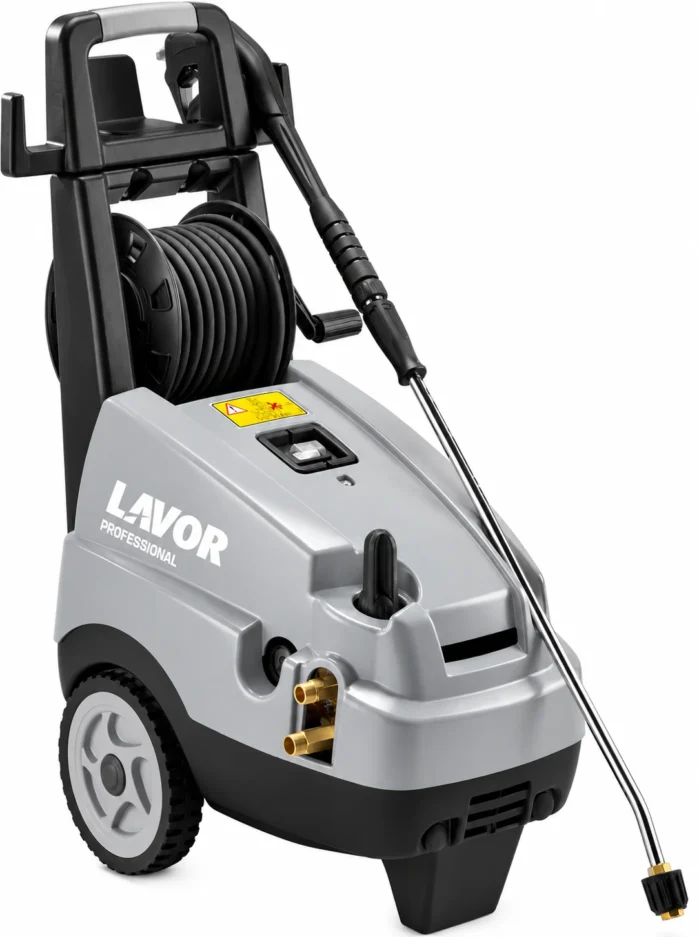
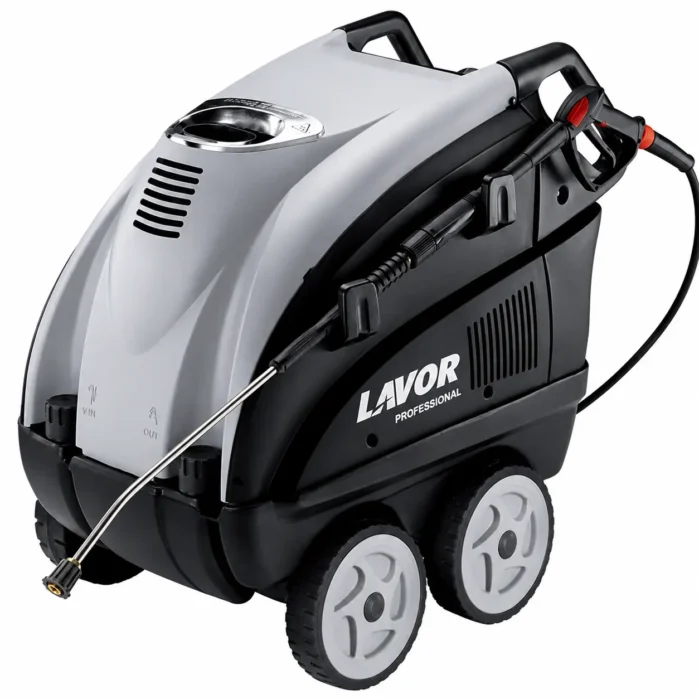
The CR 1211 LP is one electric cold water candidate, listed with 660 litres per hour flow. That figure gives a useful question to take to the site assessment: can the intended supply meet the machine's specified requirements consistently at the proposed working position?
If a tank arrangement is being considered, ask for model specific guidance rather than assuming the machine can draw from any container. The arrangement must be suitable for the equipment and the task. It should be reviewed before the quotation is approved, not improvised when the team reaches a distant zone.
When does an engine driven washer deserve consideration?
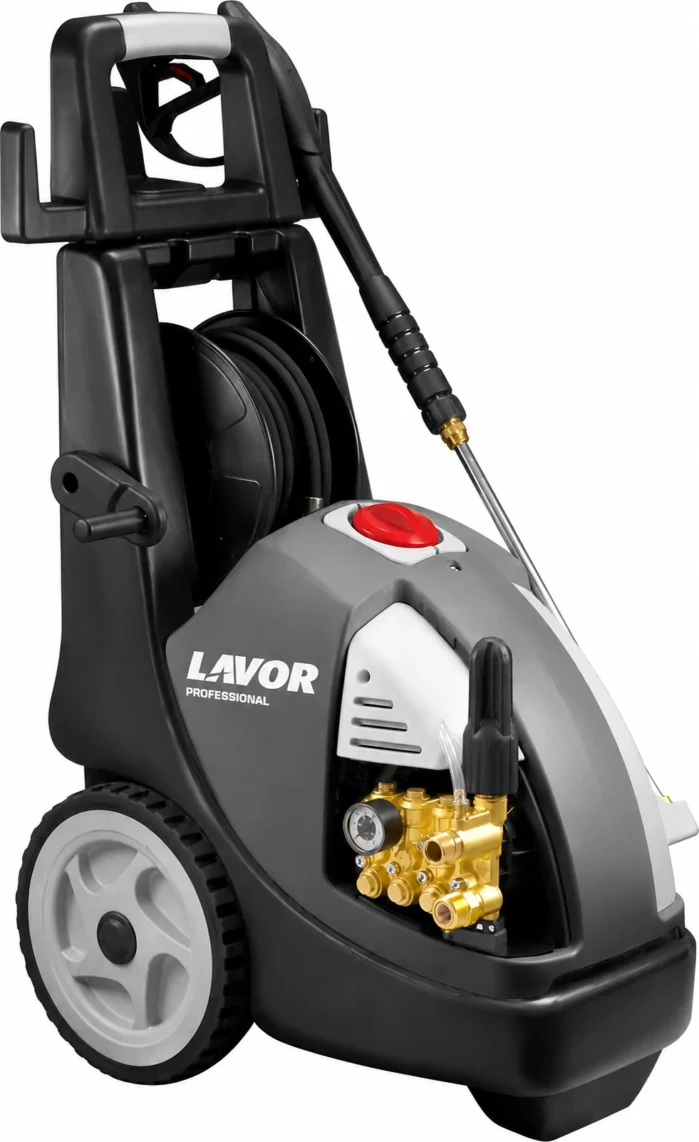
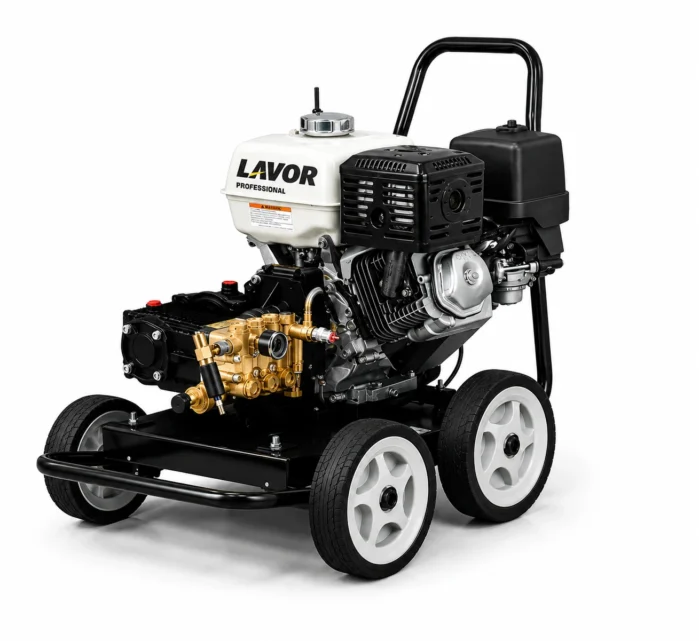
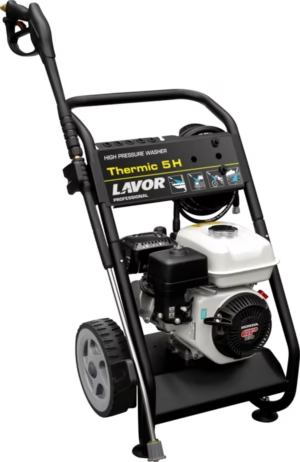
An engine driven configuration may be relevant to an approved outdoor location where a suitable mains connection is unavailable or impractical. The Thermic 13 H is listed as a petrol powered cold water pressure washer. Its fuel driven engine does not make it a hot water machine.
This format still needs a suitable water supply, and it brings its own operating, handling and maintenance requirements. Petrol exhaust means it should be used in an appropriate outdoor arrangement, following the manual and site controls. It should not be treated as an unrestricted solution for enclosed or poorly ventilated areas.
Compare it with an electric option using the real zone plan. Sometimes an electric machine positioned near suitable utilities can serve the task effectively. In other cases, relocating equipment between outdoor work areas may justify a different format. The choice should follow those conditions rather than a broad preference for one power source.
How can hose routes and movement affect productivity?
Measure the working reach required in each zone and ask for an approved compatible hose arrangement. More length is not automatically better if the hose becomes difficult to handle or store. Include the route around fixtures and the space needed to keep access clear.
Plan where the equipment will be prepared and inspected before the shift. If the team needs to return to storage repeatedly for accessories, the cleaning window can disappear into small interruptions. Keep the selected tools organised and identify which items belong with each machine.
Loose material may need a separate preparation stage. Where the task involves collecting suitable dry debris from an accessible hard surface, review an appropriate walk behind sweeper. Washing should not be expected to solve every preparation issue, particularly where moving loose material with water creates additional collection work.
How should you compare the purchase and ongoing costs?
Request a quotation that describes the complete proposed configuration, including accessories and delivery. Ask the supplier to distinguish included equipment from optional additions. If alternative machines are proposed, compare them against the same zones and cleaning tasks so the differences are understandable.
Operating costs depend on how the equipment is used, maintained and moved between areas. Include routine inspection and the manufacturer's service requirements in your planning. Engine and electric configurations have different needs, so the ownership comparison should cover more than the initial invoice.
Consider who will look after the equipment between shifts. Store the manual, model details and maintenance record where the responsible supervisor can find them. A clear fault reporting process helps prevent an unresolved issue from being passed from one zone team to another without action.
What should be arranged before delivery to Al Ain?
Confirm the full destination, unloading access and receiving contact with the supplier. Ask for current availability, delivery charges and expected timing in writing. Any requested demonstration or handover should have an agreed scope, especially where several operators will use the machine in different areas.
Prepare the approved utilities and working locations before the equipment enters service. Obtain the correct manual and check the supplied tools against the order. The download centre can support document enquiries, while the supplier should identify the instructions matching the actual delivered configuration.
What questions arise when cleaning several zones?
Does a petrol washer remove the need to plan utilities?
No. It changes the power arrangement, but the machine still requires a suitable water supply and approved operating conditions. Access, runoff, handling and maintenance remain part of the plan. Assess every regular work area before choosing an engine driven configuration.
Can a pressure washer draw water from any tank?
That should never be assumed. Check the inlet and supply arrangement permitted for the exact model. Ask the supplier to review your proposed setup before ordering, including how the machine will receive a consistent suitable supply at the work position.
Should each cleaning zone have its own machine?
The decision depends on simultaneous demand, movement time, access and available storage. One shared unit may be practical when the schedule allows it. Separate equipment may deserve consideration where relocation prevents the team from completing agreed work, but that should be demonstrated from the actual routine.
Is outdoor paving always suitable for high pressure washing?
No. Surface materials, joints, coatings and condition can limit the permitted method. Check the relevant material guidance and assess a representative area. Choose the machine and tools around those requirements rather than treating every outdoor floor as equally resistant.
Need equipment matched to your outdoor zones?
For pressure washers in Al Ain, send a simple zone plan with surfaces, access routes and connection locations. Call +971 4 2380192 or email dcecare@cleantech-gulf.com for current model options and a quotation that reflects how your team will move, prepare and complete the work.