Pressure Washers in Abu Dhabi
Buying cleaning equipment for several locations requires more than choosing a model and multiplying the quantity. One site may have a dedicated wash area, another may restrict access to water, and a third may need equipment stored after every shift. Buyers sourcing pressure washers in Abu Dhabi should define those differences before requesting a common price.
The pressure washer catalogue offers a starting point for reviewing electric, engine driven and hot water configurations. The best procurement brief explains each intended application and identifies the conditions the supplier must satisfy. A consistent specification can make purchasing easier, while still allowing a different configuration where the site genuinely requires it.
What information should each location provide?
Begin with the object or surface to be cleaned, the typical contamination and the frequency of work. A facilities team cleaning an approved exterior area has a different task from a workshop maintaining equipment components. Avoid describing both simply as general heavy cleaning, because that wording hides important material and process requirements.
Ask each site to record its available power, water connection, storage area and permitted cleaning location. Include the route from storage to use. A machine may fit a room but still be difficult to move through the doors or over the access route with its accessories.
Name a site contact who can confirm these details. Central purchasing teams often receive incomplete answers when several departments assume someone else has checked the utilities. A brief signed off by the intended operator or supervisor makes it easier to resolve uncertainties before the purchase order is issued.
How can a common specification remain practical?
Standardisation can simplify training and spare identification when the machines perform comparable work. It becomes less useful when it forces an unsuitable model into a location with different access or utility constraints. Define which requirements must be common and which may vary by site.
For instance, documentation, accessory identification and maintenance reporting might follow one format across the organisation. Machine power arrangements or hose configuration may need separate approval. This allows purchasing teams to compare proposals consistently without pretending that every building has identical conditions.
Include acceptance criteria that can actually be observed. These might cover the supplied model, correct accessories, documentation and satisfactory operation under the agreed site conditions. Avoid vague claims such as professional quality or unlimited heavy duty performance as substitutes for a defined specification.
Which models can support an initial comparison?
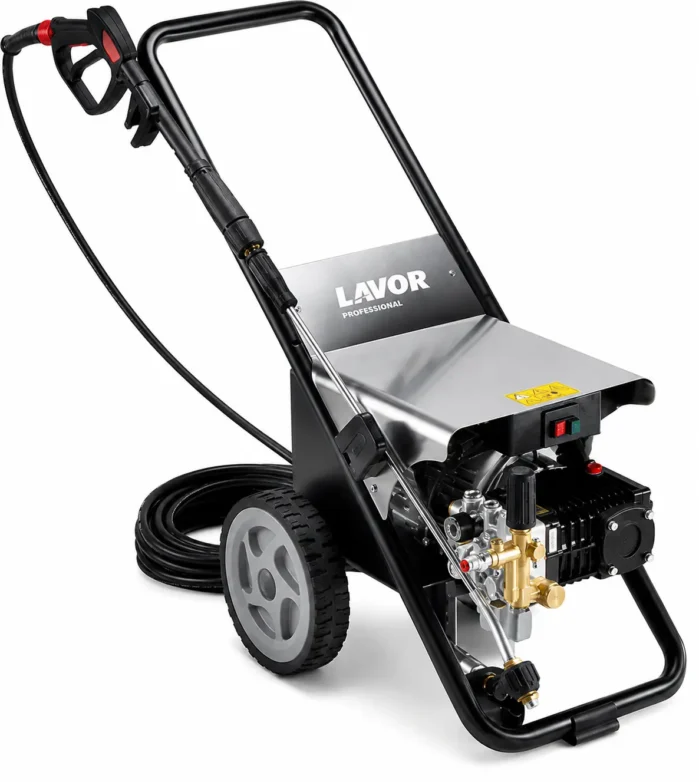
The CR 1211 LP is a cold water electric option with a listed 660 litres per hour flow. That makes it a candidate for discussion where the cleaning task and available inlet supply support its requirements. Ask for the current datasheet and confirm the electrical connection needed by the proposed unit.
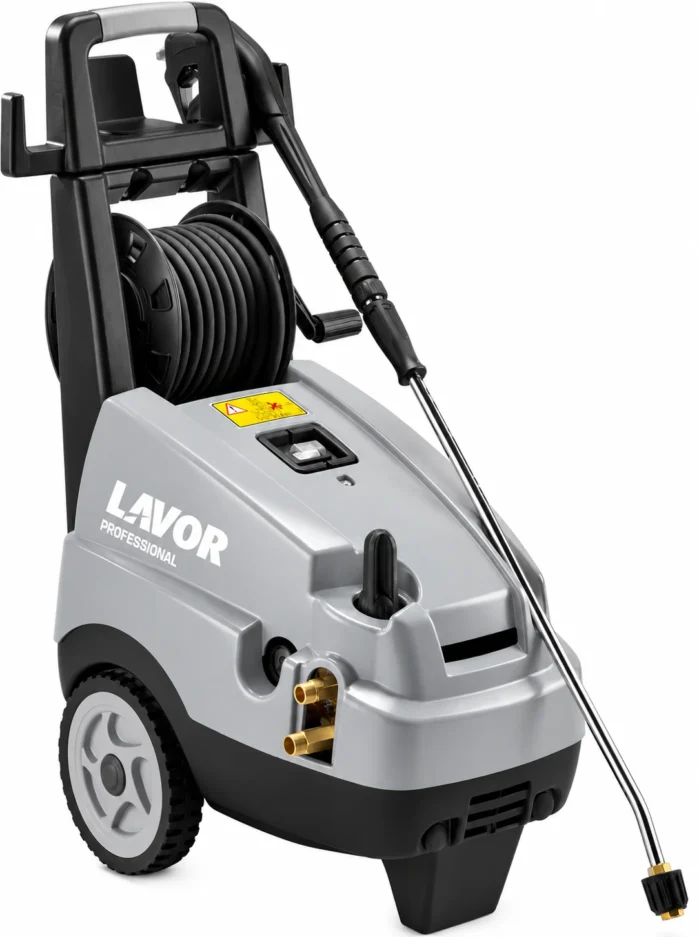
The Arizona 1209 LP represents another cold water electric configuration. Its manufacturer specifies 510 litres per hour flow. Comparing these figures can help frame questions about rinsing requirements, but it does not establish which model is right for every site or guarantee a particular cleaning time.
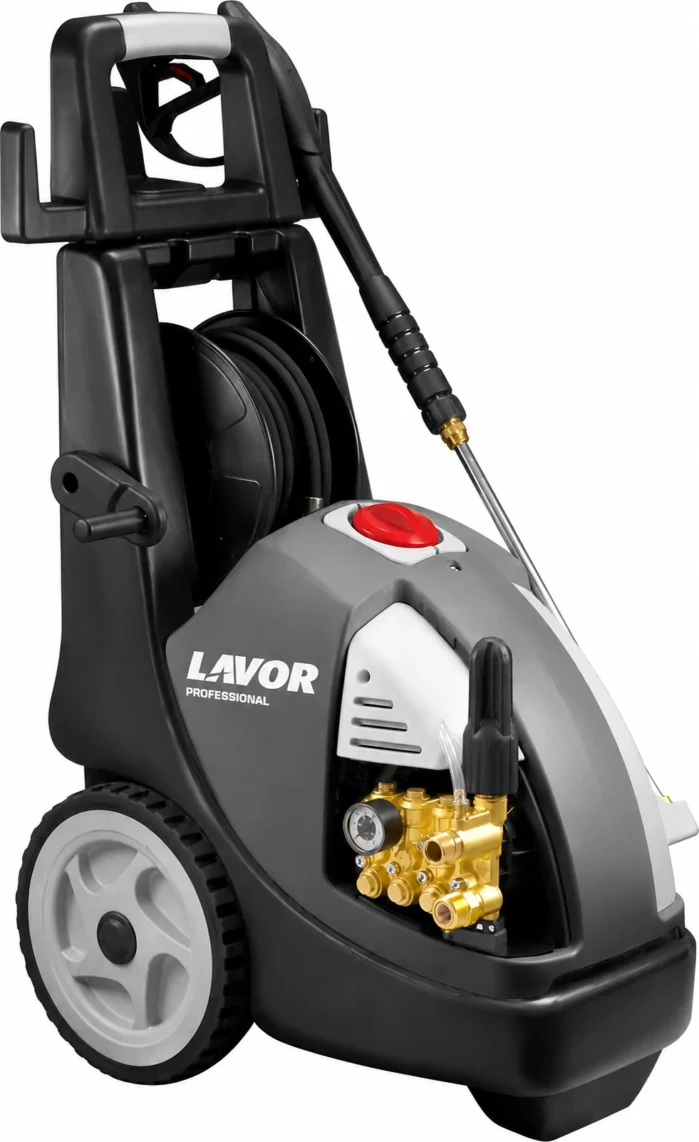
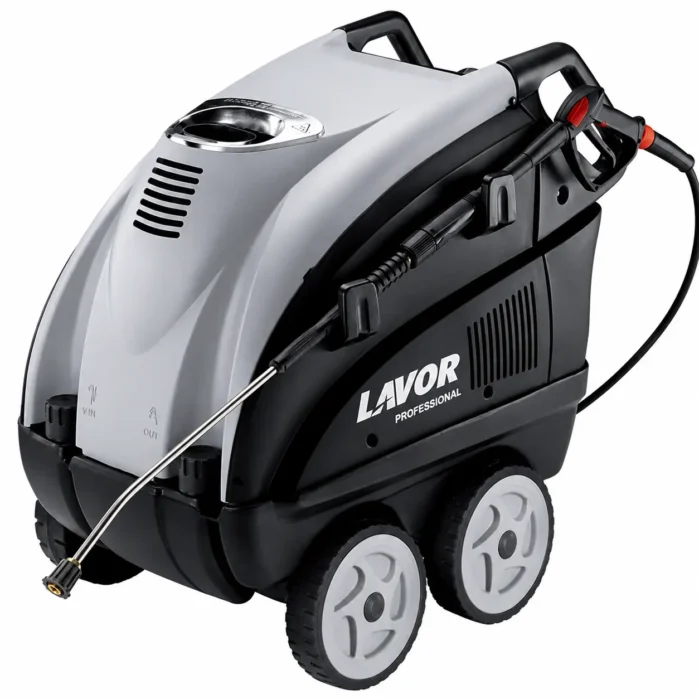
If a site has a justified need for heated washing, review the NPX 1211 XP separately. The installation assessment must account for its complete configuration, including the burner. Keep the reason for selecting hot water in the procurement record so the additional requirements are linked to an actual cleaning need.
How should quotations be structured for fair comparison?
Request a separate line for each machine configuration and its included equipment. Specify whether hoses, guns, nozzles or other selected tools are part of the base offer. Where a supplier proposes an alternative, ask them to explain the practical difference against your stated task.
Delivery should be described by actual destination rather than treated as an undefined allowance. Multiple Abu Dhabi addresses may have different unloading arrangements, access restrictions or appointment requirements. Confirm the terms for each location and identify who will receive and inspect the equipment.
Also ask what handover, commissioning assistance or operator familiarisation is included, if any. Do not assume that delivery automatically includes these services. Having the scope written beside the price helps purchasing and site teams understand what still needs to be arranged before the machine enters use.
What should the ownership plan cover?
Assign responsibility for routine inspections, consumables and fault reporting. A central asset register should record the actual model, serial number, site and supplied accessories. This helps avoid ordering a part against an old quotation when the installed configuration has changed.
Ask how service requests and replacement parts enquiries are handled. The useful question is not simply whether support exists, but which details your team must provide and how the process works for the proposed equipment. Confirm applicable warranty terms in the supplier's written documents.
Where procurement also covers indoor floor maintenance, assess that work under its own specification. Walk behind scrubber dryers can be relevant to compatible hard floors, but a pressure washer should not become the default answer to every cleaning task merely because it is already on the purchase list.
How can sites prepare for delivery and handover?
Complete the utility and access checks before the delivery date is agreed. Confirm that the intended operating area and wash water arrangement have been approved by the responsible site team. Any electrical or installation question should be assessed by an appropriately qualified person using the manufacturer's requirements.
Prepare a receiving checklist that matches the purchase order. Record the equipment condition, supplied accessories and documents, and keep photographs where useful for the asset record. Resolve discrepancies before treating the order as complete, especially when several similar packages arrive at different sites.
The download centre can assist with available supporting literature. Ask the supplier to identify the manual that matches the supplied machine and retain it with the handover record. A named local supervisor should know where those instructions are kept and how to report an issue.
What do procurement teams commonly ask?
Should every location receive the same model?
Only if the applications and site conditions support it. Compare the cleaning task, utilities, storage and operator requirements before standardising. A shared documentation process can still work when one location needs a different machine configuration for a clearly recorded reason.
Can an electric model be chosen before power is checked?
The proposed electrical requirements should be confirmed first. A general statement that electricity is available does not establish that the intended connection is suitable. Obtain the machine specification and have the site connection assessed where needed before finalising the order.
How should optional accessories be approved?
Link each accessory to a defined task and request confirmation of compatibility. Record whether it is included in the machine price or charged separately. This prevents useful additions from being confused with standard equipment when quotations reach different departments for approval.
What makes a quotation ready for a purchase order?
It should identify the machine, configuration, accessories, commercial terms, delivery destination and any agreed handover scope. Unresolved technical assumptions should be clarified before ordering. The receiving team should be able to use the quotation to check exactly what has arrived.
Ready to prepare a site based quotation?
For pressure washers in Abu Dhabi, send a short application brief for each location and identify any differences in utilities or access. Call +971 4 2380192 or email dcecare@cleantech-gulf.com to request current model options, availability and an itemised proposal that your purchasing and site teams can review together.